ʔeszumínste tekm e steʔ ne tmíxʷ: nłeʔkepmx sptákwełand relationships with tmíxʷ
Take care of everything on this earth: Nlaka’pamux oral traditions and relationships with nature
hen̓łeʔ snukʷnúk̓ʷeʔ (hello friends). This knowledge translation case study focuses on my PhD (Forestry) research at University of British Columbia, which supports ƛ̓əq̓ƛ̓aqtnmx’s (Kanaka Bar Band’s) efforts to heal relationships with tmíxʷ (translates to ‘territory,’ but also encompasses the relationships between all things, like the concept of nature), as well as assert nłeʔkepmx (Nlaka’pamux) Title and Rights through the creation of an Indigenous Protected and Conserved Area Initiative (IPCA). My research involves gathering teachings and values about caring for tmíxʷ from Elders and other Knowledge Holders, as well as from studying sptákweł (oral traditions passed down from previous generations). This case study’s goal is to share what we have learned through the IPCA initiative —officially named zuminstm e tmíxʷ kt ƛ̓əq̓ƛ̓áq̓tn̓ (we care for the land of ƛ̓əq̓ƛ̓aqtn)—as well as specifically through my PhD (still in early stages), that could help guide other Nations who may be interested in protecting their territories by creating IPCAs. I first describe ƛ̓əq̓ƛ̓aqtnmx and the broader nłeʔkepmx nation, as well as the concept of IPCAs. Then, I describe our IPCA initiative, followed by our lessons-learned so far.
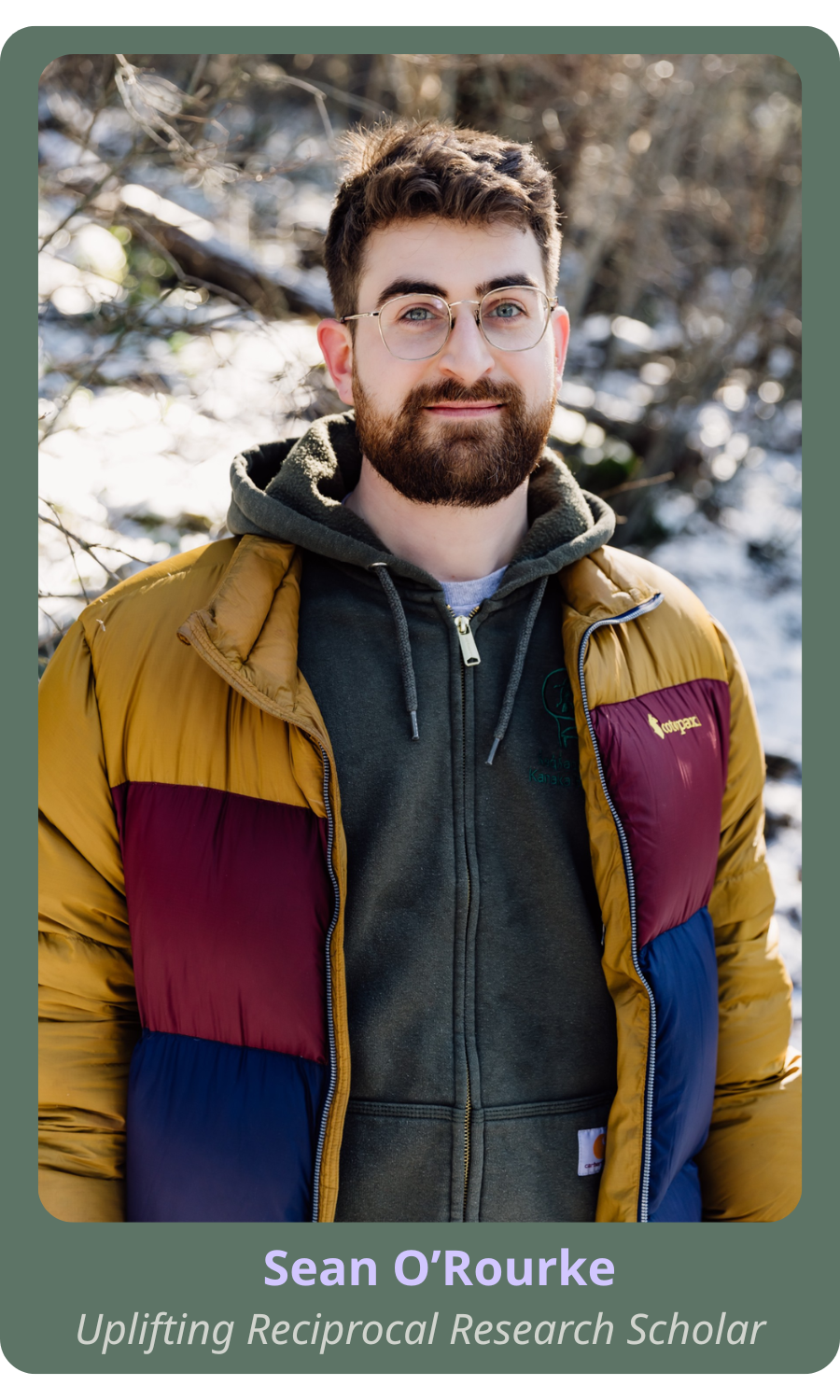
My name is Sean O’Rourke. I am of settler-descent and originally from sʔecnkʷu (Vancouver, BC). In 2020, I moved out to the Fraser Canyon to begin working for ƛ̓əq̓ƛ̓aqtnmx. I was hired by their former Chief to manage a series of studies that looked at how climate change is affecting their territory. The community has always cared for their lands and waters and all of the human and non-human relatives that they share them with, and shortly after I was hired we learned about a new type of initiative that could help them improve their ability to do so: IPCAs. Our IPCA initiative officially began in 2021, and I have been managing it ever since. At the end of 2022, I moved on-reserve at ƛ̓əq̓ƛ̓aqtn (Kanaka Bar), and shortly afterwards, in March 2023, I was adopted into the community by Elder Lorraine Hance and covered with the name nxʷesitnéw̓t (walks with the wind). I now work for ƛ̓əq̓ƛ̓aqtnmx as their Director of Lands and Culture and manage the IPCA. Being welcomed into the community is one of the greatest honours I have received in my life, and I am immensely grateful and privileged that leadership and community entrusts me to do this work.
WHO ARE ƛ̓əq̓ƛ̓aqtnmx
AND THE nłeʔkepmx NATION?
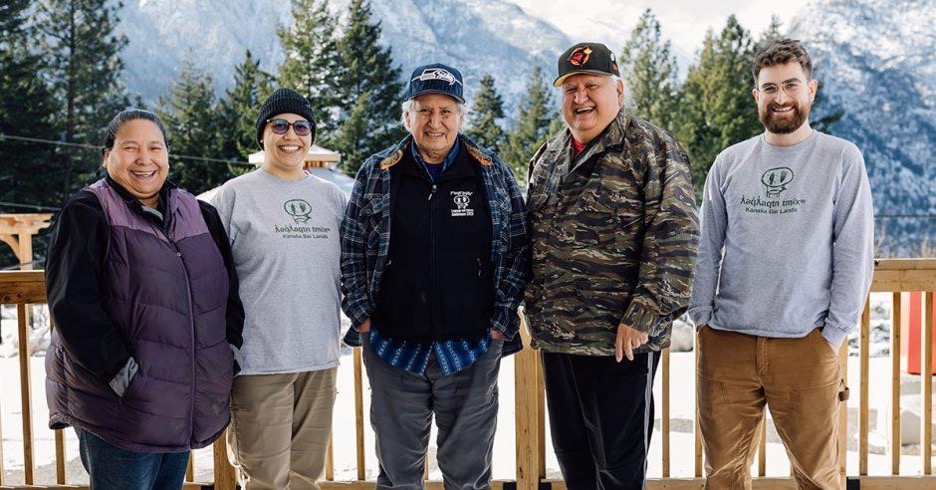
ƛ̓əq̓ƛ̓aqtnmx, ‘the people of the crossing place,’ also known as Kanaka Bar Band, is one of 15 communities that currently comprise the nłeʔkepmx (Nlaka’pamux) Nation, situated around present-day B.C.’s Fraser and Thompson canyons, and the Nicola watershed. Before they became settled on reserves, most nłeʔkepmx moved around the territory to take advantage of spatially and temporally variable foods and medicines; things like q̓ám̓esm (pine mushrooms), sx̣ʷúsm (soap berry), and ćewéteʔ (barestem desert parsley), as well as the annual sx̣ʷaʔés (sockeye) run. In the past, people lived in pithouses (semi-subterranean circular earthen dwellings), or temporary shelters at seasonal camps, but today they live in houses in many of the same locations as their old villages. ƛ̓əq̓ƛ̓aqtnmx were unique in that unlike their neighbours to the north, they lived at ‘the crossing place’ year-round, just as they do today. Patterns of life and harvesting still shift with the seasons: they harvest and gather, and develop modern projects like housing and green energy (e.g., Kwoiek Hydro Project), in ways that honour their protocols, values, and teachings.

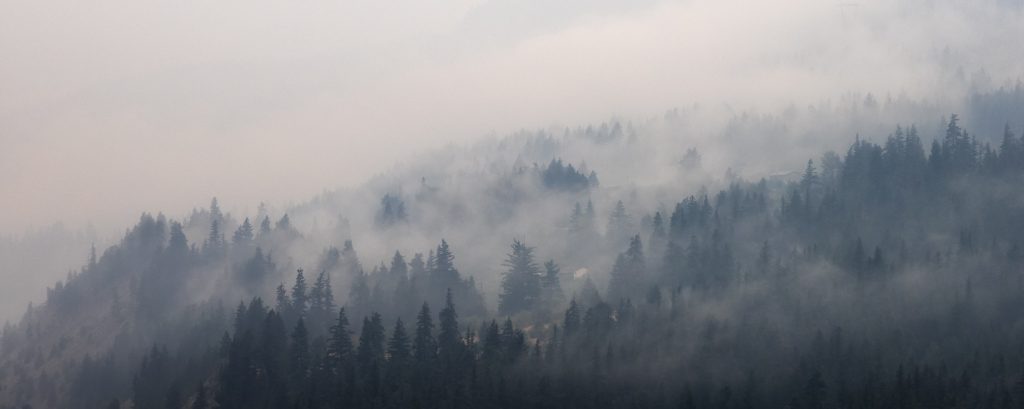
Like many other Indigenous Nations in BC, the entire nłeʔkepmx nation is increasingly experiencing the effects of climate change. In June 2021, after breaking Canada’s all-time hottest temperature record three consecutive days in a row, our nearest town (and the nłeʔkepmx nation’s capital), Lytton, burned to the ground in 20 minutes. That same year, ƛ̓əq̓ƛ̓aqtnmx were evacuated due to the Mowhokam Creek fire coming up from the south. A few months later, during the November 2021 atmospheric river event, we were fully cut off from the rest of the world for a number of days as a series of slides and washouts destroyed a number of sections of highway. In 2023, ƛ̓əq̓ƛ̓aqtnmx were evacuated again due to the Kookipi Creek fire, which burned much of the forest around the community and came right to our houses. The Province was initially unable to send any help due to a fire in West Kelowna at the time. If our Chief and a number of community members did not stay behind and fight the fires themselves, we would have lost everything. Because of these experiences, the community is pursuing an IPCA to improve their ability to care for lands, and to help to better protect against and lessen the severity of such extreme climatic events. Healthy, functional ecosystems are our best defence against climate change.
What is an Indigenous
protected conservation area?
Indigenous Protected and Conserved Area (IPCA) is a label that emerged in 2018 to describe a category of initiatives that protect Indigenous communities’ lands, waters, and ecosystems in a manner that is aligned with their values so that future generations can participate in and uphold their cultures. In IPCAs, Indigenous governments play a primary role in decision-making through their laws and knowledge systems, and they mark a long-term commitment to conservation. Language and culture are at the heart of IPCAs. There is a great deal of flexibility in terms of what IPCAs can look like and how they are created. For example, some communities, like ƛ̓əq̓ƛ̓aqtnmx, seek to ground their IPCA in their own laws as well as colonial legal systems, while others choose to not seek a provincial or federal land designation. Some notable examples of IPCAs in B.C. include the Tla-o-qui-aht Nation’s Tribal Parks, established in 1984, and the Tŝilhqot’in Nation’s Nexwagwezʔan Dasiqox Tribal Park, initiated in 2014.
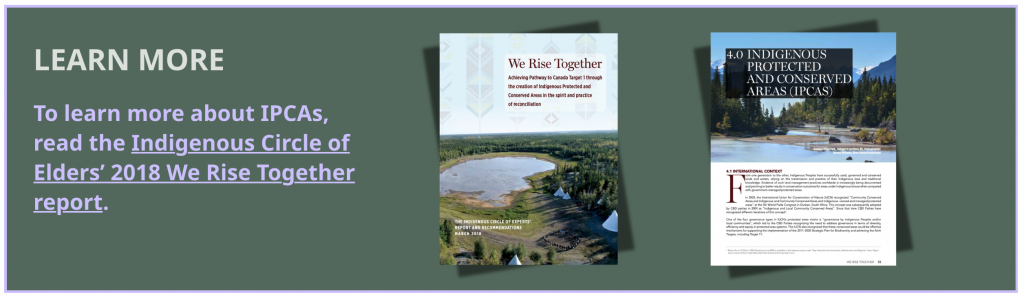
IPCAs align closely with the spirit and objectives of the BC First Nations Climate Strategy and Action Plan, whose vision statement is as follows:

ƛ̓əq̓ƛ̓aqtnmx IPCA
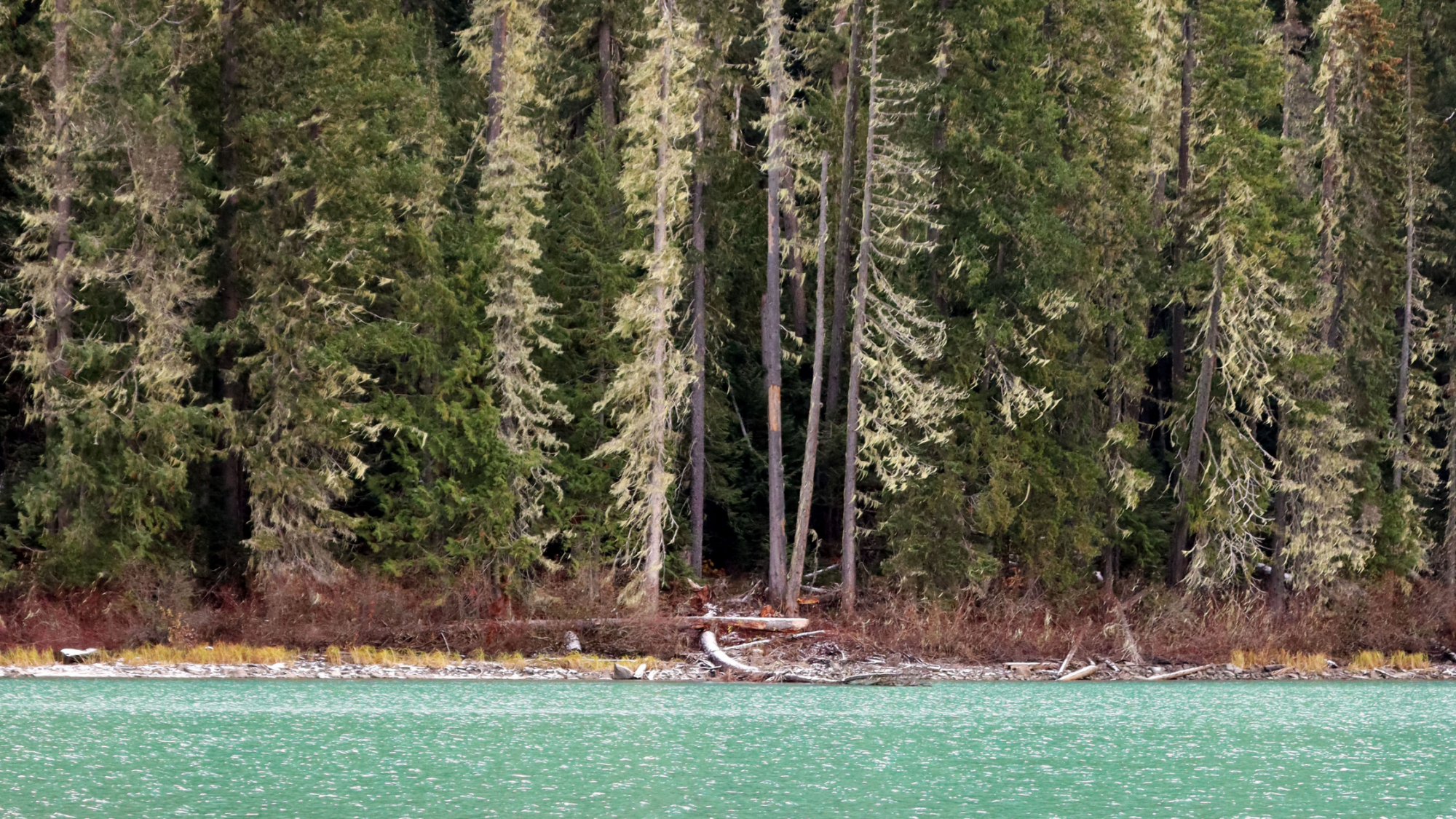
The ƛ̓əq̓ƛ̓aqtnmx IPCA encompasses 320km2 of tmíxʷ (lands and waters), including: x̣ʷəyíʔq (Kwoiek) and keʔwkʷu (Four-Barrell) watersheds on the west side of qʷuʔúy (Fraser River), and a number of smaller watersheds on sqʷəntútym̓xʷ (Kanaka Mountain) and teyihén̓i (Jackass Mountain) on the east side: múmləqs (Morneylun), nƛ̓əptə́m̓ (Nekliptem), Niger, and Siwash creeks. These are the watersheds immediately around the community and are considered to be their caretake area (the area within the broader nłeʔkepmx nation that they steward). ƛ̓əq̓ƛ̓aqtnmx tmíxʷ is located right at the edge of the coastal rainforest, so it is highly biodiverse, home to both wet and dry-adapted species, including 42 federally or provincially-listed species at-risk. We are guided by the teaching tékm snuk̓ʷnuk̓ʷe, which directly translates to ‘everything is friends,’ but really refers to the interconnectedness of all things.
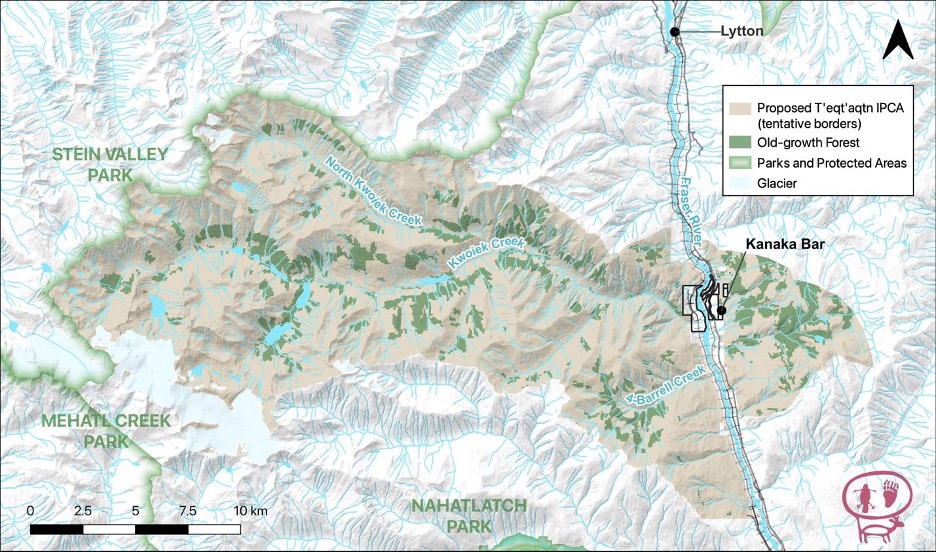
The community decided to pursue an IPCA in order to prevent further industry-related damage to tmíxʷ, as well as increase the community’s decision-making and stewardship capacities and revitalize traditional practices and on-the-land activities.
The IPCA has three technical components:
- acquisition of fee simple lands (private properties),
- extinguishment of industry tenures (forestry, mining), and
- establishment of a legislated-level of protection.
LESSONS LEARNED SO FAR
THROUGH THE IPCA INITIATIVE
There is no ‘one size fits all’ approach that works for creating IPCAs, but I will share some things that have worked for ƛ̓əq̓ƛ̓áq̓tn̓mx that may help others interested in doing this work.
- Mapping IPCA boundaries. Being able to define our area of focus has greatly assisted with communicating with external parties (e.g., neighbours, government, funders).
- Early identification of properties and tenures. Mapping out all of the private properties and land tenures within the IPCA (e.g., mining, forestry, grazing leases, etc.) was essential to forming a strategy to address them.
- Identification of biophysical conservation values. We know why the area is important from the perspective of ƛ̓əq̓ƛ̓áq̓tn̓mx, but early on in our initiative we hired a biologist to create a biophysical conservation values assessment, which describes the importance of the area from the perspective of Western science (e.g., habitat for at-risk species, mapping of old-growth forests). This report has been extremely useful to communicate the importance of protecting the IPCA to funders, industry, and government.
- Relationship-building. Establishing and maintaining good working relationships with funders, tenure holders, and the provincial and federal governments has been vital to procuring the financial and political support necessary to advance our objectives.
- Communication with neighbours. Sending out bi-annual updates on the IPCA to all of the communities in the nłeʔkepmx nation ensures we are able to address any concerns early on and no one is caught off guard by our work. We also have an ‘open-door’ policy when it comes to collaboration—all other communities are welcome.
- Dire need for long-term stewardship funding. Most funders fund projects, not ongoing operations. Without stable funding, long-term planning is difficult. To address this, we created an endowment fund. However, there is a dire need for the government to address this funding gap, if they are serious about supporting IPCAs, as they say they are (e.g., through Canada’s and BC’s 30 per cent by 2030 conservation commitments).
REFLECTIONS & LESSONS
LEARNED SO FAR IN MY PhD
The biggest lesson I have learned so far through my initial PhD work is that the PhD process (and academia) is often not well-suited for research with Indigenous communities. Rigid timelines and processes, such as ethics review, do not mesh well with more fluid community dynamics and evolving needs, as well as external organizations’ timelines, like funders and government. It is possible to do this sort of research through academia, but it comes with some constraints that can influence how a project unfolds.
I have also learned that the Western conservation movement desperately needs a different narrative about what it is exactly that they are working to protect, as well as a more relational understanding of the environment that places humankind back in nature. The conservation movement in North America was grounded in incorrect notions of untouched ‘wilderness’; then there was a shift to focusing on ‘ecosystem services’ and ‘biodiversity,’ and now there is an emphasis on ‘Indigenous-led conservation’ and terms like ‘braiding knowledge.’ But the movement remains ultimately grounded in the same Western worldview that lands and waters are something to manage and use (or ‘conserve’). It is a worldview narrative that implicitly places humans above and separate from nature and the rest of the world, the same worldview that has enabled global capitalism’s profoundly irresponsible and reckless resource extraction that is driving climate change. Indeed, the people of the West have seemingly forgotten that they too come from and remain a part of (and dependent on) the natural world. This is not consistent with relational Indigenous understandings that highlight the interconnectedness and interdependence of nature, including humans. To work more effectively with Indigenous Nations, and avoid making the same broader mistakes of Western culture, the Western conservation movement ultimately needs a more relational narrative and understanding that emphasizes the interconnectedness of all things.

My work with ƛ̓əq̓ƛ̓áq̓tn̓mx also has highlighted to me the importance of upholding relationships in and through research. I have learned that being a part of community, showing up at events, forming friendships, taking time to help out Elders, and grounding the work in the community’s language, culture, and values (e.g., inclusivity, transparency) is what has been most helpful to advance this work in a good way. Further, in order to ethically conduct this project (and others with Indigenous Peoples), it is crucial that the needs and priorities of the community are at the forefront, with contributions to academia at large coming second. I am encouraged to see more and more research initiatives begin to take this approach, such as other projects supported by PICS’ Uplifting Reciprocal Research fund. I am immensely grateful for their support in this work. húm̓eł cúkʷ kʷukʷscémxʷ (Okay, I’m done, thank you).
Sean O’Rourke is a PhD candidate at the University of British Columbia, and a recipient of a PICS Uplifting Reciprocal Research Scholarship.

In honour of the Relationship Protocol between the Pacific Institute for Climate Solutions (PICS) and the First Nations Leadership Council (FNLC), this Knowledge Highlight series reflects PICS’ commitment to supporting the priorities of the BC First Nations Climate Strategy and Action Plan and the Action Plan for Disaster Risk Reduction by First Nations in BC through capacity building, research, and education.