Acceptable climate-related risk: How communities decide what’s safe enough
How much climate-related risk is acceptable for B.C. communities? As floods, wildfires and landslides become more common, local governments face difficult choices about what to protect and where to build.
Featured Research
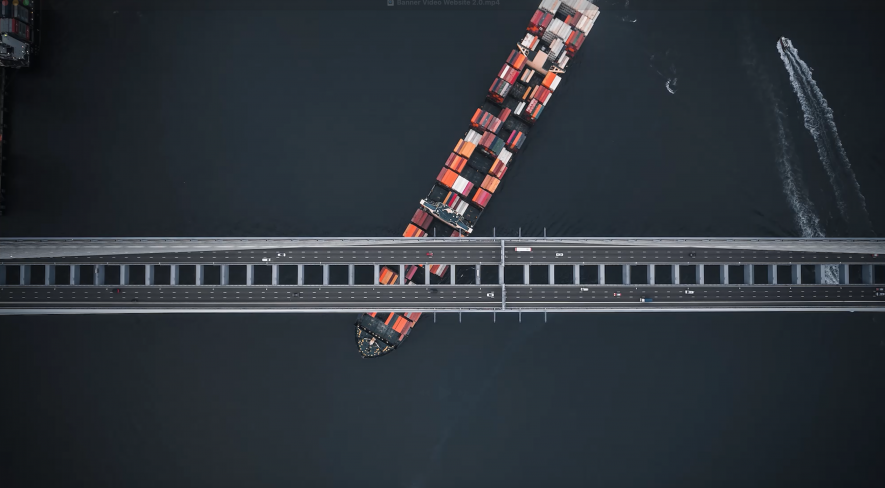
Vital Connections: Linear Critical Infrastructure and Climate Risk in B.C.
B.C.’s infrastructure systems aren’t ready for the risks ahead — but there are practical ways governments and operators can build climate resilience.
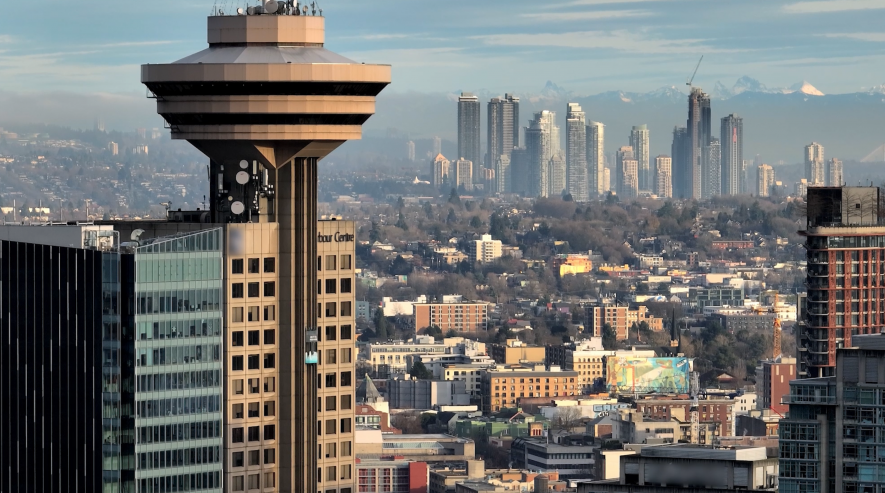
Where We Build Matters: Land use planning for safety, affordability, and resilience
Where we build matters more now than ever. Land use planning offers pathways to build more resilient communities as climate risks worsen across B.C.

CleanBC Insights Series
Through research and insights, this series explores how CleanBC is working, what challenges remain, and how today’s choices will shape B.C.’s future.
Explainers
Acceptable climate-related risk: How communities decide what’s safe enough
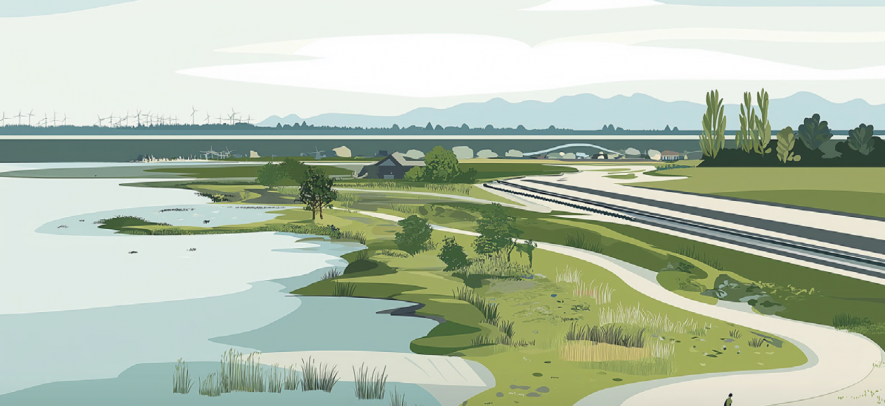
The power of confluence: A guide for integrated flood management for B.C. communities
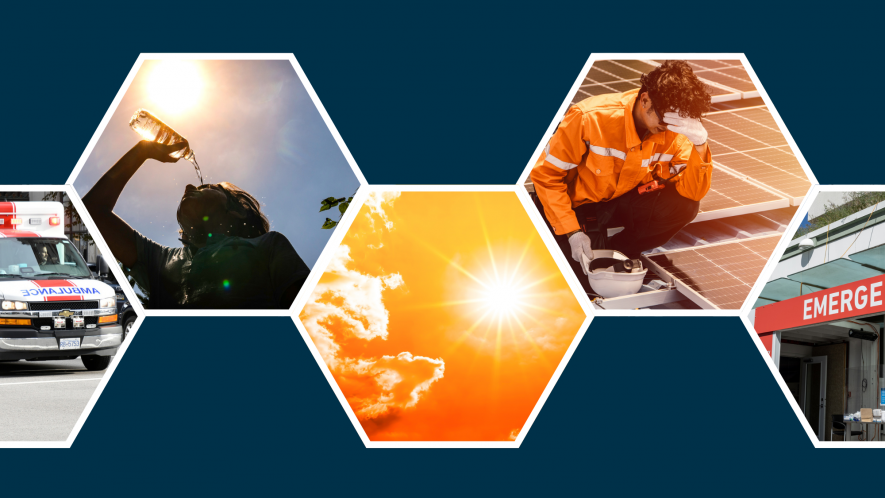
Turning down the heat: How to better protect your community in extremely hot weather
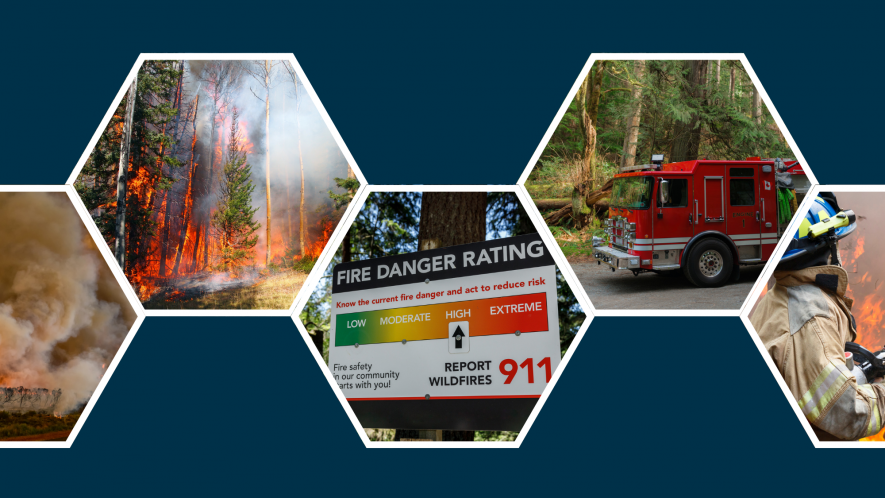
From ember to inferno: Wildfires in B.C. explained
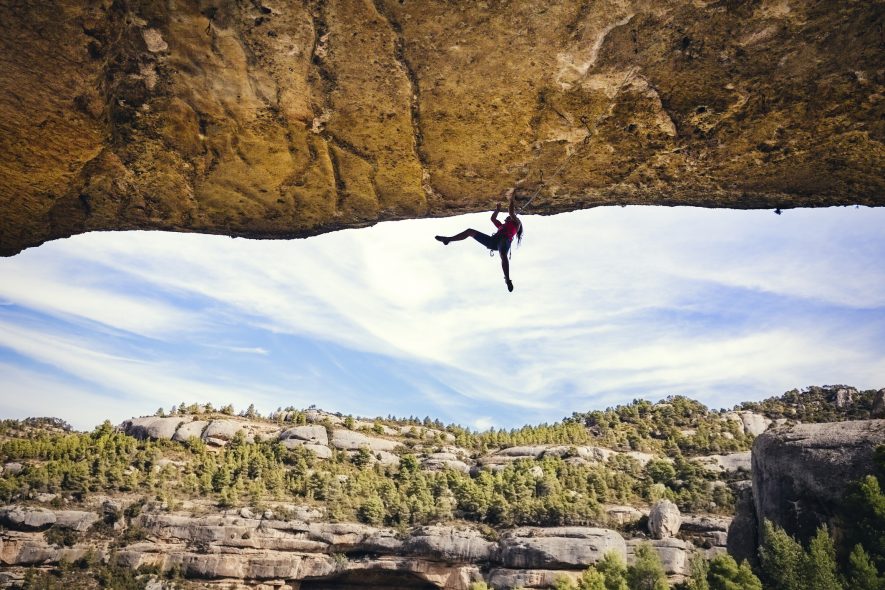
A tool for tough decisions: rethinking climate change risk assessments

Mapping the future of flood resilience

How to get B.C.’s climate groove back

The cost of cost-benefit analysis in flood adaptation
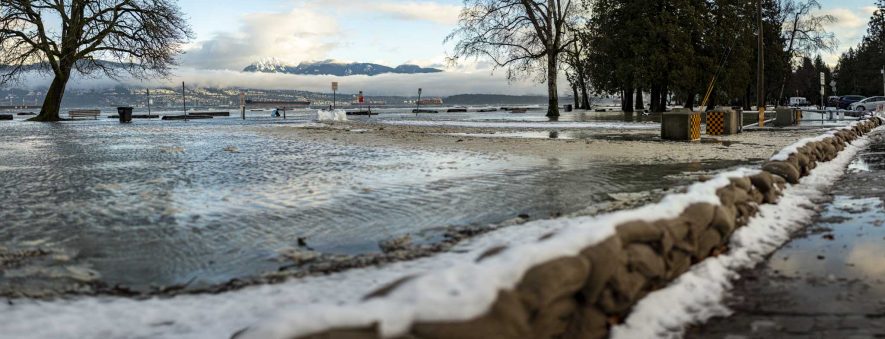
Gimme shelter: Upzoning for climate risks
Knowledge Highlights
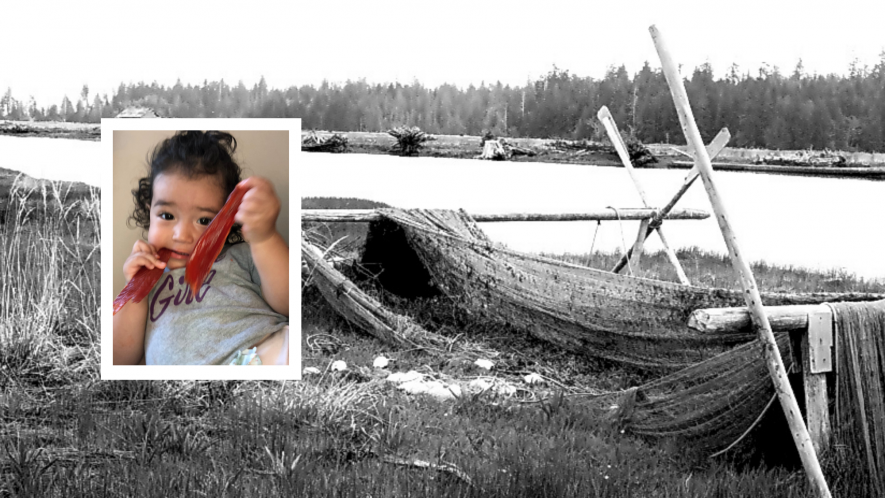
Born With a Fish in Your Mouth
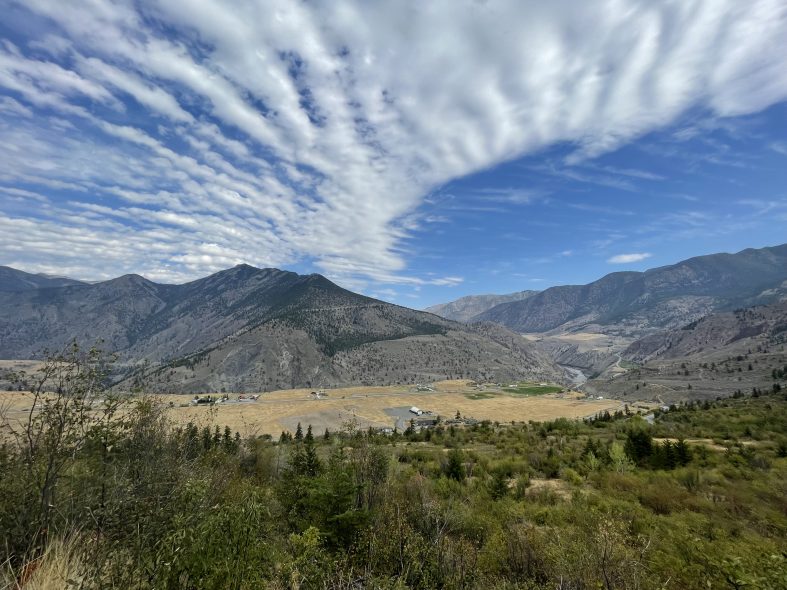
Xaxli’p reshaping green hydrogen development: Advocating for locally grounded climate solutions
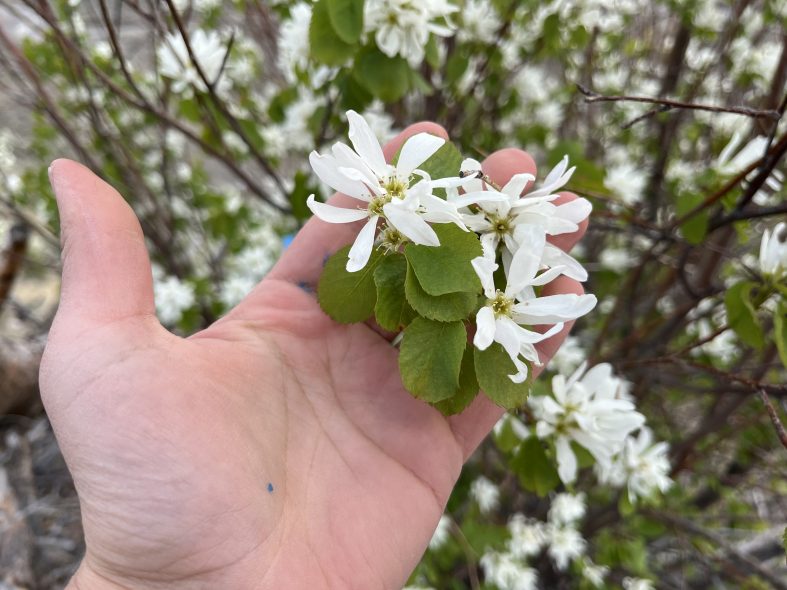
Revitalizing Saskatoon (Amelanchier/Speqpeqú7w’i) in Skeetchestn Traditional Territory
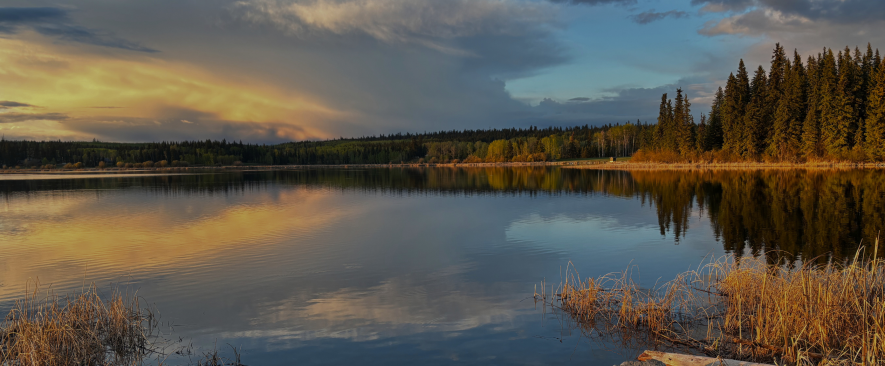
Land as a Co-Participant in Biodiversity Restoration: Local Teachings from Secwepemcúĺecw
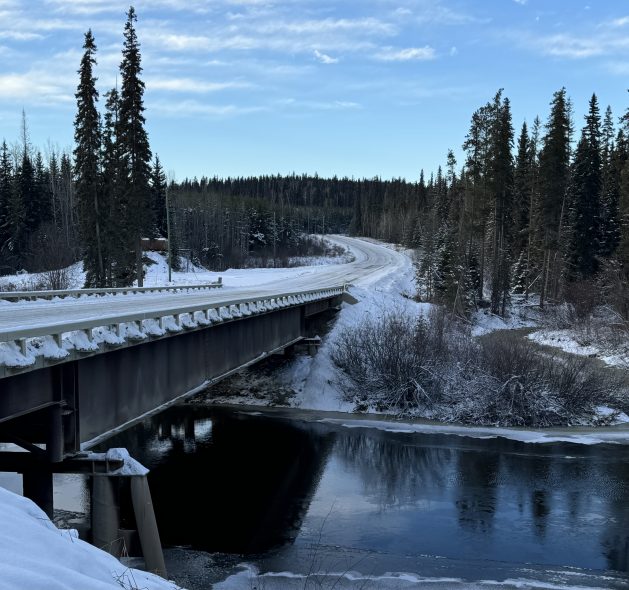
Bridging Science and Land: Climate vulnerability and resilience assessment for northern forest service roads
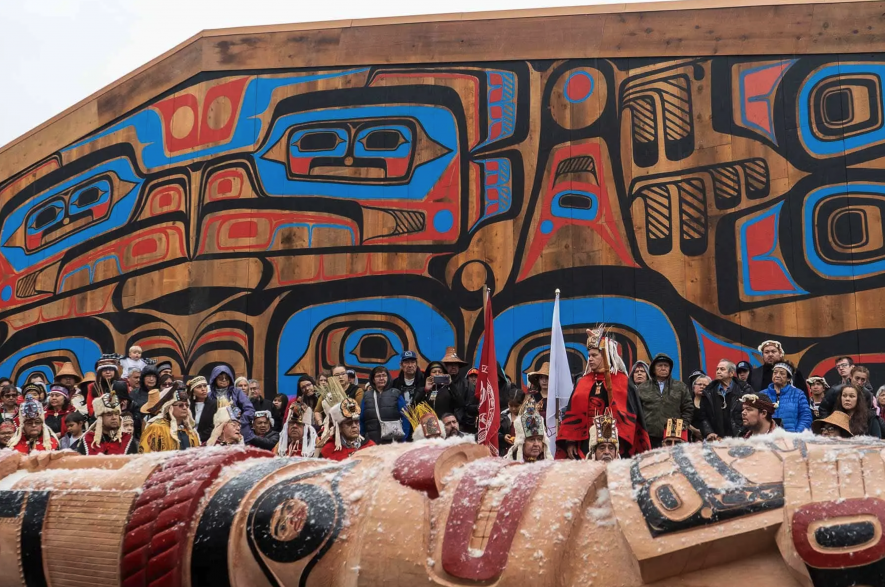
Indigenous-Led Climate Resilience: Learning from the conservation economy in the Great Bear Rainforest
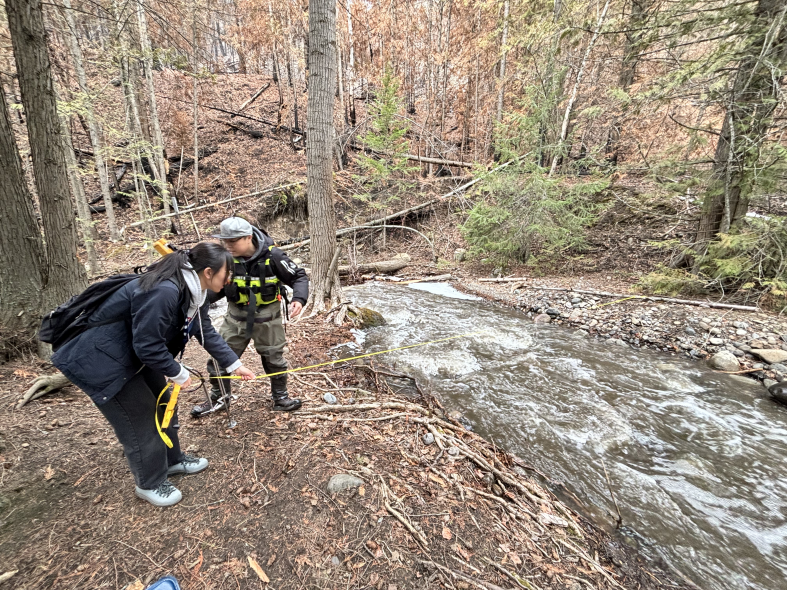
Post-Wildfire Increases in Creek Flow Are Short-Lived in Syilx Okanagan First Nation
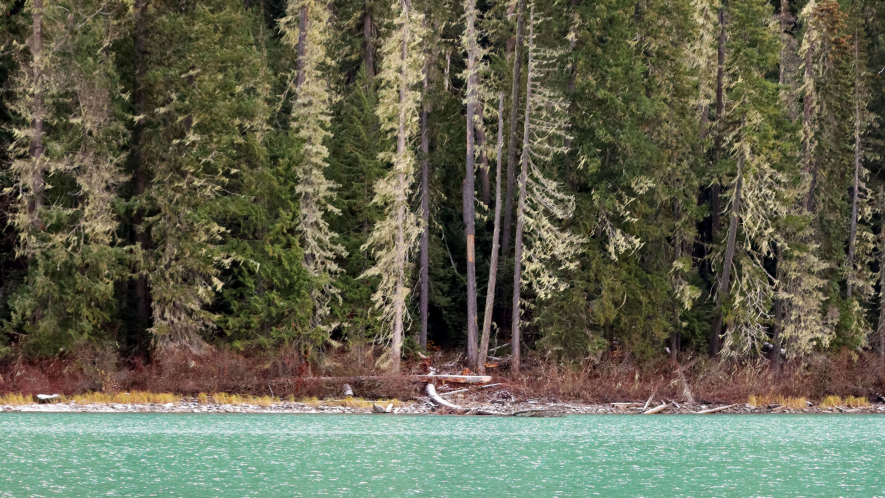
Caring for the ƛ̓əq̓ƛ̓aqtn Indigenous Protected and Conserved Area
Reflections
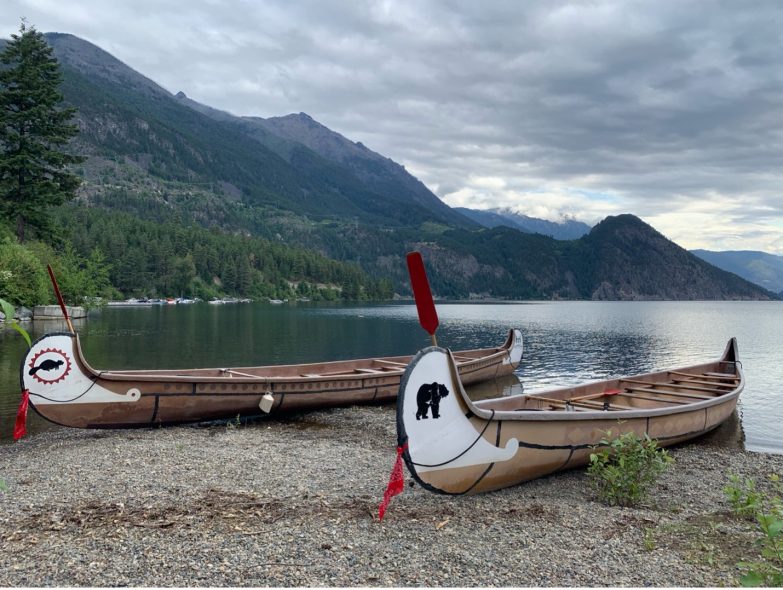
Like paddlers in a canoe: Lessons on climate and reciprocity in a PICS summer internship
What I learned about seasonal readiness from inside the health system

How disinformation undermines climate action: Lessons from COP30

What does reconciliation look like in an era of climate turmoil?
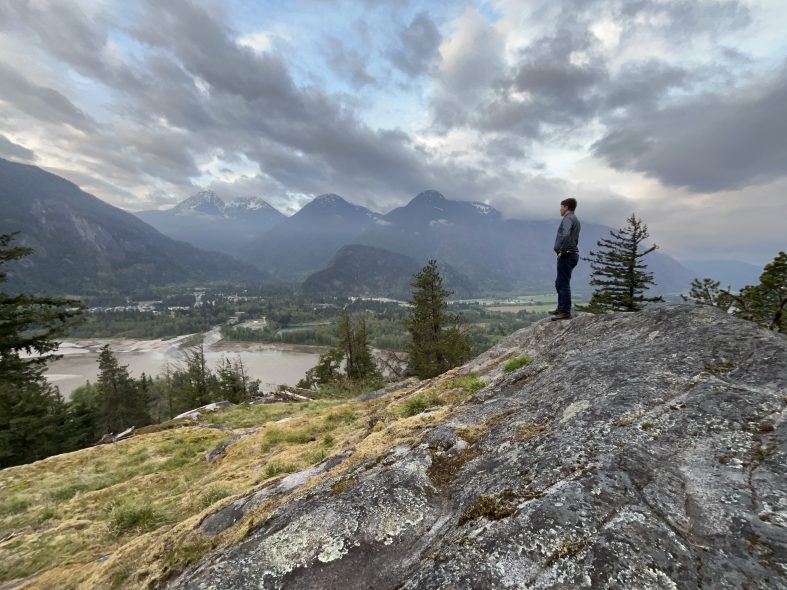
Climate Reflections in B.C.’s Southern Interior
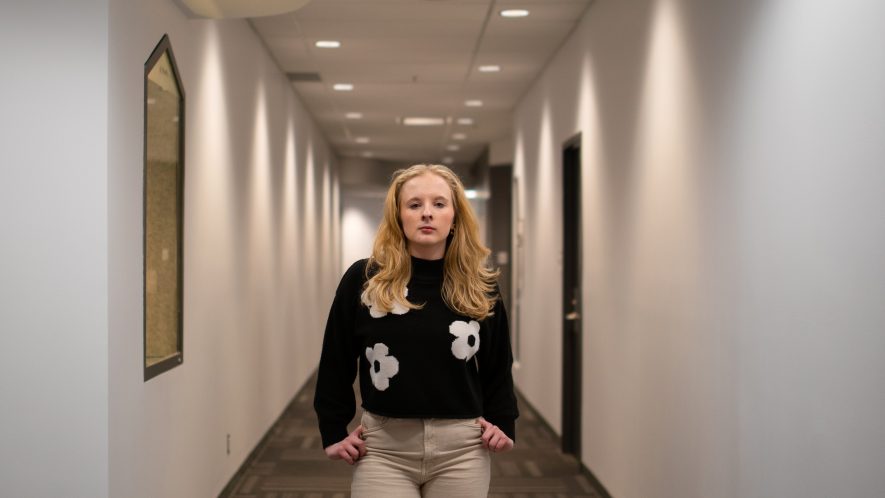
Living climate change: Emma Cosman
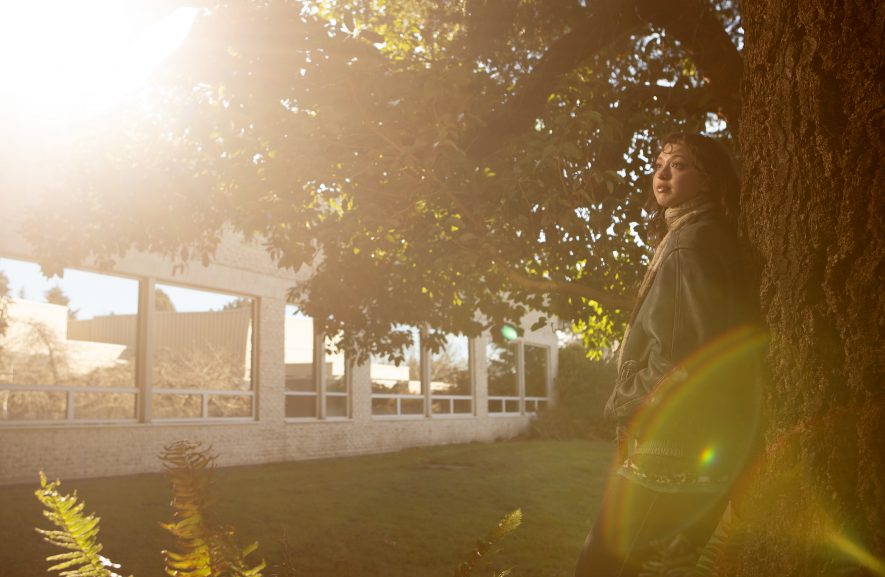
Living climate change: Caroline Tucker
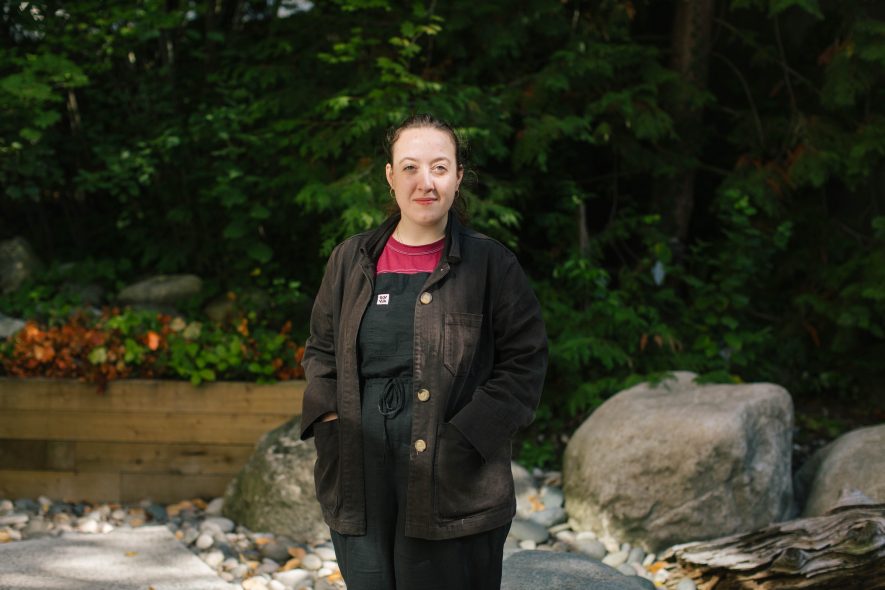
Living climate change: Rachel Stern

The ability to map floods has never been better… so why is flood damage still growing?
Reports
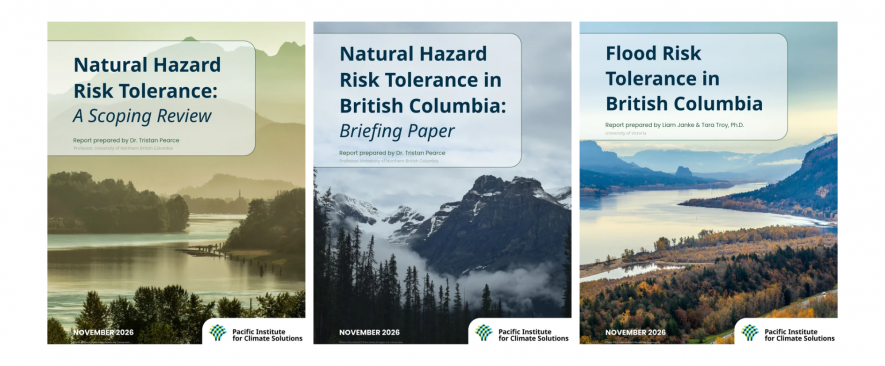
Flood Risk Tolerance in British Columbia
Natural Hazard Risk Tolerance in British Columbia: Briefing Paper
Natural Hazard Risk Tolerance: A Scoping Review
Planning for Collective Ownership of Climate Transition Infrastructure in B.C.
Where We Build Matters: Land use planning for safety, affordability, and resilience
Vital Connections: Linear Critical Infrastructure and Climate Risk in B.C.

Pathways to Accelerating Household Clean Technology Adoption across British Columbia
Sustainable and Affordable Housing: Strategies, innovations, and policy directions