The Pacific Institute for Climate Solutions (PICS) is proud to be launching the second year of the Uplifting Reciprocal Research (URR) Scholarship Program, designed to strengthen research and capacity in alignment with the BC First Nations Climate Strategy and Action Plan and the Action Plan for Disaster Risk Reduction by First Nations in BC. This program reflects PICS’ commitment to fostering reciprocal, community-driven research that uplifts Indigenous leadership in climate action.
The URR Scholarship Program supports graduate-level scholars (Masters or Doctorate) at PICS universities whose work advances climate change adaptation and mitigation in collaboration with First Nations communities in BC.
Scholarship recipients will receive financial support and will also contribute to the broader research and climate action community by developing case study knowledge highlights. Awardees will also be able to participate in future PICS events and connect with other researchers working on similar projects, fostering collaboration and offering opportunities to share knowledge, lessons learned, and experiences.
This program honours that the First Nations Leadership Council (FNLC) and the Pacific Institute for Climate Solutions (PICS) have entered into a Relationship Protocol to advance First Nations climate leadership and priorities including capacity building, research, and educational opportunities.
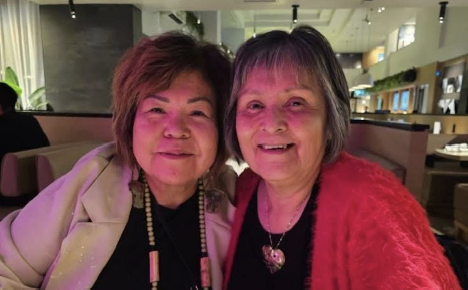
With consent from their families, this scholarship is dedicated to Leona and Valerie Humchitt – from the Heiltsuk Nation – who were significant supporters of both climate action and education in First Nation communities. Please read below for additional program details and to learn more about Leona and Valerie and their contributions.
Applications are now closed.
Sign up for our newsletter to receive updates about this call.
Learn about the 2025 cohort of URR Scholars:
Eligibility
- Scholars (Masters or Doctorate) engaged in climate change and sustainability projects attending a PICS university (UVIC, UNBC, SFU, UBC).
- Priority will be given to research underway with strong ties to the BC First Nations Climate Strategy and Action Plan and/or Action Plan for Disaster Reduction by BC First Nations.
- Scholars must have completed the first year of the program of study.
- Preference will be given to Indigenous scholars with further preference for BC First Nations scholars, followed by any scholars who hold research partnerships (written agreements or otherwise) with BC First Nations.
Scholarship program details
- Award values:
- Masters: $10,000 per year
- Doctorate: $20,000 per year
- Applications will be reviewed and adjudicated through a competitive process
- Candidates will be selected through a process that includes review and independent scoring of each application by a PICS staff committee, followed by joint ranking, and final decisions.
- The online application form may be found immediately below.
If you require any support or assistance with completing your application form, please contact us at jwale@uvic.ca
Applications are now closed.
Important dates
- Tuesday May 11, 2026: Applications open
- Tuesday June 23, 2026: Applications close (4p.m. PT)
- Early July 2026: Communicate decisions
- September 2026: Funding awarded
Case study Knowledge Highlights
Upon acceptance of the award, PICS will distribute funds to selected scholars on the condition that they agree to deliver a five-to-eight page case study knowledge highlight of research underway.
The case study knowledge highlights will:
- Clearly connect to the BC First Nations Climate Strategy and/or the Action Plan/Action Plan for Disaster Risk Reduction and offer considerations and transferable learnings related to community adaptation and mitigation;
- Highlight experiences, teachings, and practices of reciprocal research and Research co-development related to climate change;
- Identify best practices for breaking down silos and facilitating collaboration; and
- Provide practical recommendations for enhancing research and partnerships.
Case study development will be supported by PICS staff members. These case studies will be published on the PICS website and shared across our networks.
Examples of past Knowledge Highlights:
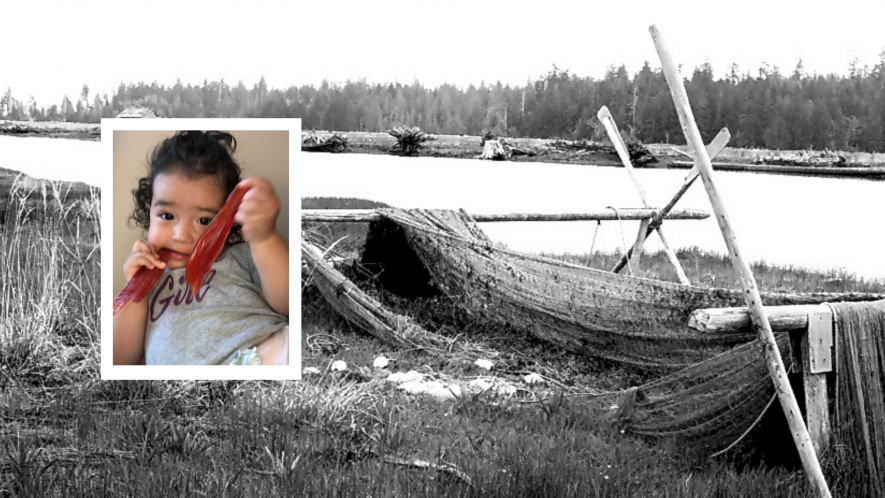
Born With a Fish in Your Mouth
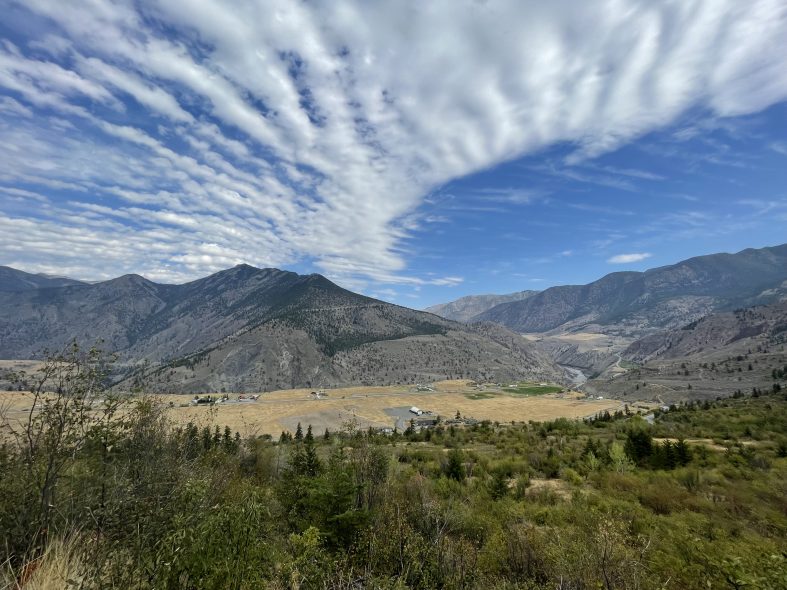
Xaxli’p reshaping green hydrogen development: Advocating for locally grounded climate solutions
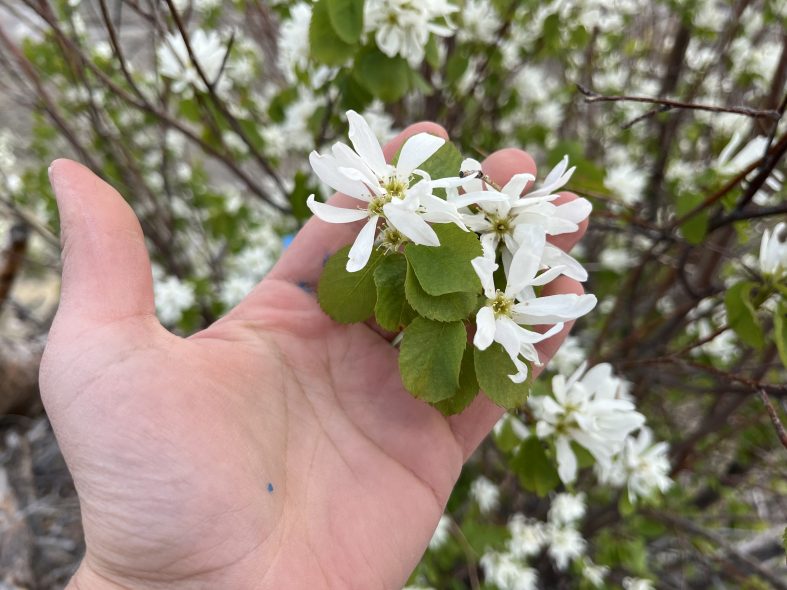
Revitalizing Saskatoon (Amelanchier/Speqpeqú7w’i) in Skeetchestn Traditional Territory
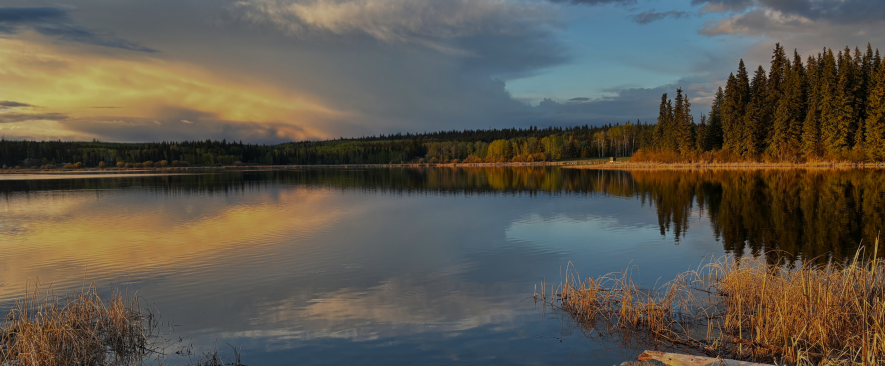
Land as a Co-Participant in Biodiversity Restoration: Local Teachings from Secwepemcúĺecw
The First Nations Leadership Council and PICS collaborative working relationship
The First Nations Leadership Council (FNLC) and the Pacific Institute for Climate Solutions (PICS) have entered into a Relationship Protocol to advance First Nations climate leadership and priorities, and to generate benefits for First Nations in British Columbia.
The Relationship Protocol between FNLC and PICS establishes a collaborative, constructive and voluntary working relationship that focuses on climate solutions that uphold First Nations title and rights in British Columbia.
With this protocol, the FNLC and PICS aim to support the implementation of the BC First Nations Climate Strategy and Action Plan for Disaster Risk Reduction by First Nations in BC. The strategy and action plan present a strong vision for First Nations-led climate action to support current and future generations in achieving self-determination to care for the Earth and ensure health and stability in the face of the ongoing human-made climate crisis.
To support implementation of the Relationship Protocol, PICS will be investing in capacity building, research, and educational opportunities that spur collaboration between university and First Nations organizations and community partners.
Program Dedication to Leona and Valerie Humchitt
The Uplifting Reciprocal Research Scholarship Program is dedicated to two distinguished matriarchs from the Heiltsuk Nation, Leona and Valerie Humchitt. Leona and Valerie were sisters-in-law and both had a deep passion for Indigenous-led education and changemaking.
Leona was a visionary and passionate leader driving clean energy solutions and climate action within First Nation communities across BC. As the Climate Action Coordinator for the Haíɫzaqv Climate Action Team, Leona shaped and supported a holistic and community-led and supported approach to climate solutions that were deeply rooted in the Heiltsuk culture and teachings.
To honour these women and their beautiful dreams for the future, this scholarship is designed to support the next generation of climate leaders and create opportunities that uplift reciprocal research relationships in support for the BC First Nations Climate Strategy.
Uplifting Reciprocal Research Scholarship Program Application
This call is now closed.
Subscribe for email updates to be notified when this program reopens for applications. The following sector will receive specific information related to the Uplifting Reciprocal Research Scholarship program: academic/research community member, Indigenous organization or leadership, and student.