
British Columbia’s long-term economic stability depends on strengthening the climate resilience of its critical infrastructure systems, according to the latest report and companion video from the Pacific Institute for Climate Solutions.
Vital Connections: Linear Critical Infrastructure and Climate Risk in B.C. examines the growing risk these vital systems face. The report and video highlight practical ways governments and operators can better manage system-level infrastructure risk.
This research outlines how B.C.’s roads, hospitals, electricity systems, ferry services, water networks, and telecommunications are connected — and how disruptions and failures can cascade, that when those systems fail, affecting lives and livelihoods.
WATCH:
Drawing on lessons from climate disasters in B.C., this PICS video helps unpack how, as key infrastructure breaks down, impacts ripple across daily life — and Canada’s economy.
The report highlights four systemic challenges:
- gaps in how risks are measured;
- poor coordination across systems;
- limited access to data; and
- finite public and political support to climate-ready the province’s systems.
“Recent events have shown how quickly infrastructure failures can cascade beyond a single region or sector,” says Dylan Clark, Director of Research Mobilization at the Pacific Institute for Climate Solutions. “If we want to protect economic stability and public safety, resilience must focus on keeping essential services functioning under stress — not just repairing assets after they fail.”
Clark and co-authors Tamsin Mills and Ayla Degrandpre of Pinna Sustainability offer pathways to resilient infrastructure — routes that use coordination, collaboration, and communication to navigate towards safety, affordability, and sustainability for decades.
Read the full release ↓
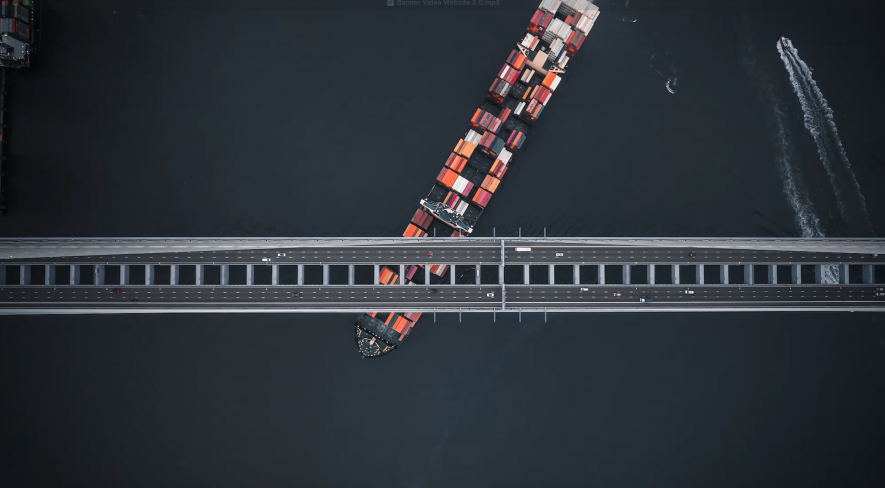
Vital Connections: Linear Critical Infrastructure and Climate Risk in B.C.
B.C.’s infrastructure systems aren’t ready for the risks ahead — but there are practical ways governments and operators can build climate resilience.
PICS gratefully acknowledges the financial support of the Province of British Columbia through the Ministry of Emergency Management and Climate Readiness (EMCR).