
by Andra Tarta
When I began my PICS Climate Internship with Interior Health (IH), the health authority responsible for health care and public health in B.C.’s Interior region, I wanted to understand how public health teams prepare for the effects of climate change. In the Interior, people experience some of the most severe and frequent extreme weather in the province. From heat and wildfire smoke to floods, these conditions affect health and well-being year-round.
Over time, IH has strengthened its approach to what’s known as seasonal readiness—the measures taken to prepare for and respond to climate-related hazards. This work has evolved through experience. Each heat wave, wildfire season, and cold snap have challenged the health system to adapt, coordinate, and learn from what came before.
My internship project focused on exploring how population and public health teams contribute to seasonal readiness. Alongside my supervisor, I spoke with IH staff and partners to understand how planning happens, what barriers exist, and where coordination could be strengthened.
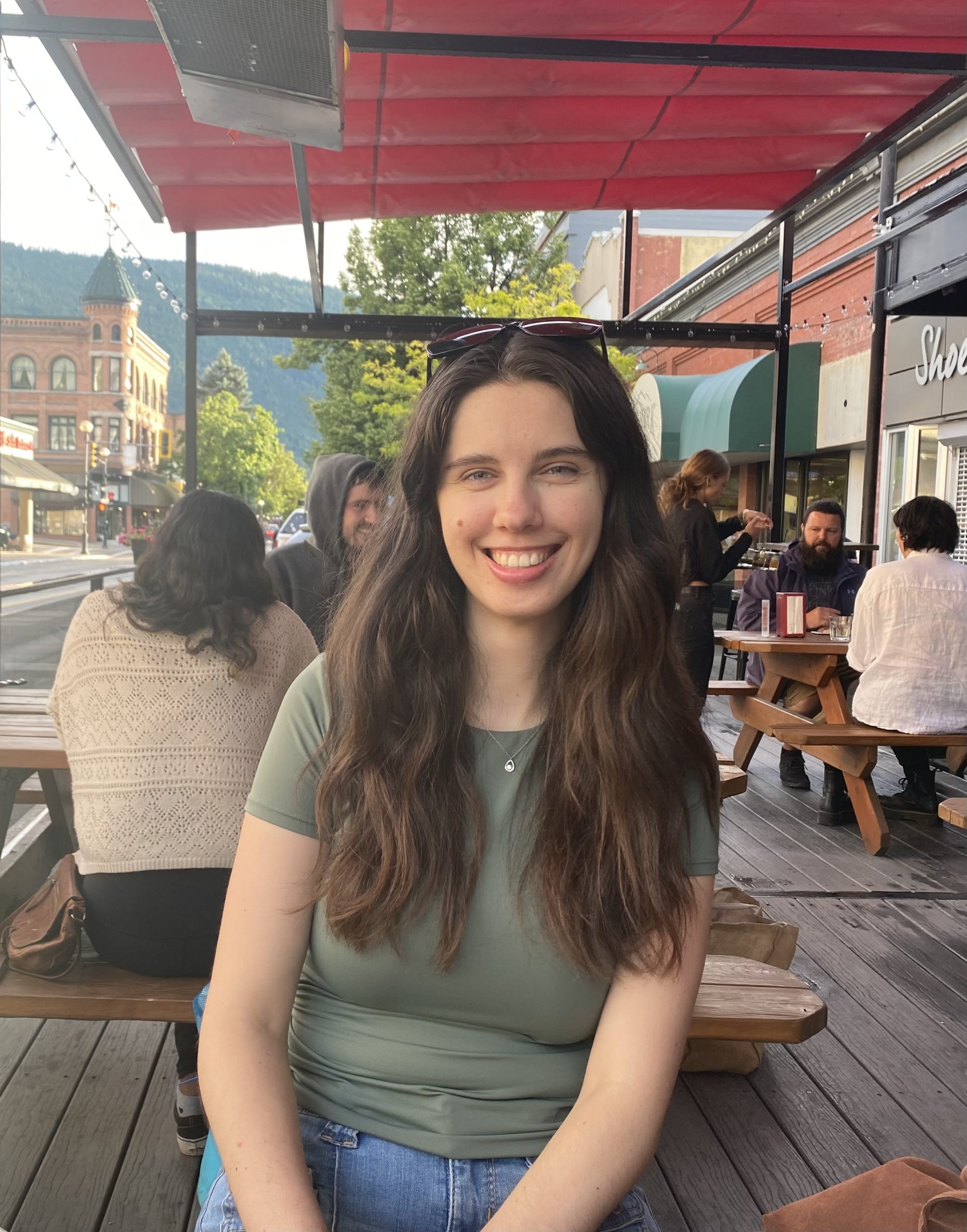
From those conversations, we identified recommendations that build on existing efforts. Some could be implemented right away; others will take more time and alignment across departments and partners. We also considered the resources and steps needed to make those ideas practical.
Through this work, I saw how seasonal readiness is about anticipating what’s next, testing new approaches, and learning from experience.
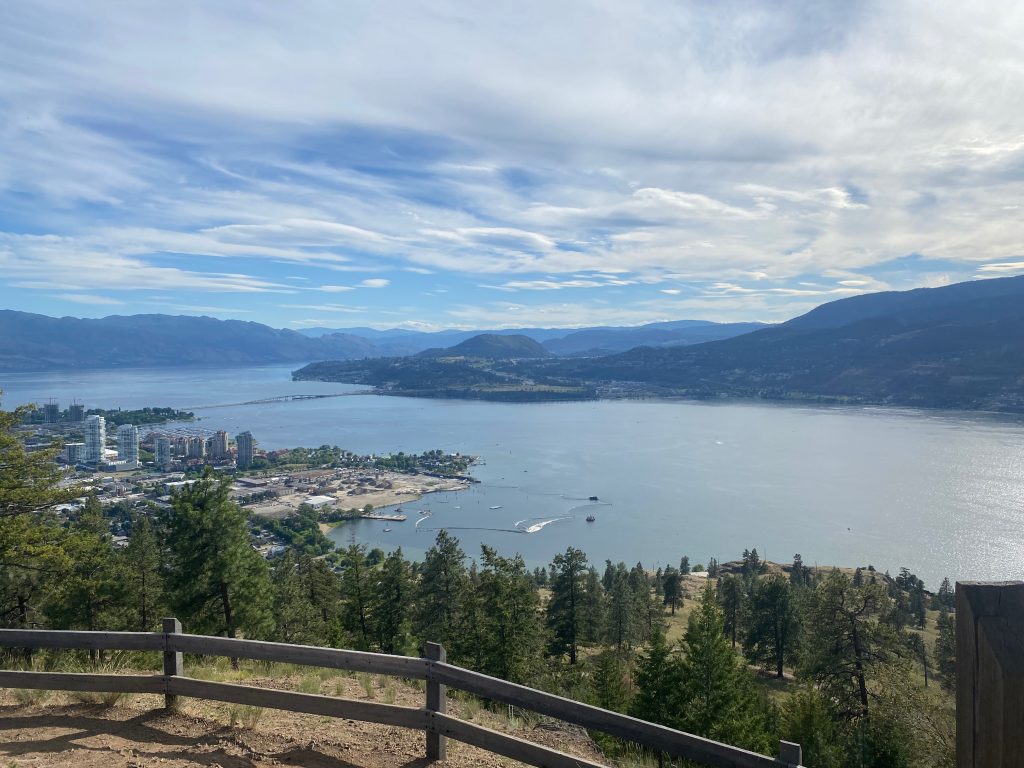
At the heart of my project, the goal was to better understand how seasonal readiness has taken shape at IH—the history, resources, partnerships, challenges, and successes that have shaped today’s practices. Through conversations with staff and partners, I helped translate this understanding into practical, people-focused tools, including ways to visualize roles and processes and identify next steps for strengthening coordination.
“Our team is small, so internships like this are vital as they expand our capacity and support us to do the reflective, improvement-focused work that makes seasonal preparedness stronger over time. Having Andra with us this summer was a great example of that, she thoughtfully evaluated our work and provided actionable recommendations and guidelines for implementation. She understood that a recommendation sitting on a shelf helps no one, and she worked to set the team up for success in implementing the recommendations.”
– Glory Apantaku, Climate and Health Scientist, Interior Health
Coming from Ontario to complete my Master of Public Health in B.C., I was struck by how influential IH has been in shaping seasonal readiness work, both in the province and beyond. Much of what exists today has grown out of necessity and from the ground up, led by passionate teams committed to equity and resilience.
As extreme weather events become more frequent and unpredictable, the need for ongoing seasonal readiness is only growing. For example, after the 2021 heat dome, IH built on this experience by creating the Seasonal Readiness Working Group. The group brings together staff from across departments to plan for heat, cold, and air quality events, share lessons, and identify what could be improved before the next season. Each review leads to updates and adjustments, turning every challenge into a chance to strengthen the system. What impressed me most was how much of this process depends on collaboration—within IH, and with local governments, community organizations, and residents. It’s a reminder that seasonal readiness in health care isn’t just technical; it’s deeply social.
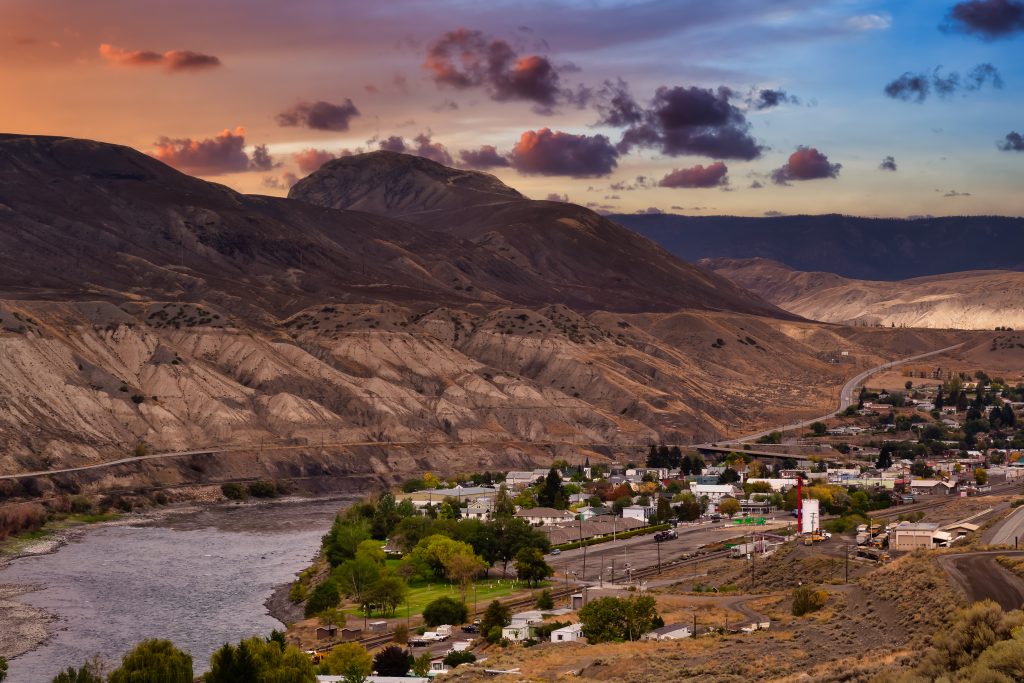
Another great example of adapting and learning from past experiences is the work of IH and the Village of Ashcroft to adapt Health Canada’s Heat Alert and Response System (HARS) for a small, rural community. Ashcroft is one of the hottest and driest areas in Canada, and the partnership focused on creating a HARS plan that centers community input and local solutions. The project showed that readiness isn’t just about having a plan, it’s about working with the people most affected to make that plan work. The success of the Ashcroft initiative was recognized across Canada and even internationally. Its lessons helped shape B.C.’s provincial HARS plan, which now guides coordinated heat response across the province.
Photo: View of Ashcroft, B.C. Credit: iStock
What I learned over my internship is that effective management of seasonal hazards happens through people—communities, health professionals, and governments—coming together, sharing knowledge, and adapting as conditions change. At the core of these relationships is a deep sense of care and humility that will continue to shape my approach to public health practice.
For me, this experience showed how public health can play a leading role in climate action, not by acting alone, but by working alongside communities to protect health and strengthen systems through every changing season.
STUDENTS: Are you interested in gaining hands-on experience in climate resilience or public health adaptation?
Explore current PICS Climate Internship opportunities for summer 2026 on our careers page.
Andra Tarta recently completed a Masters of Public Health (MPH) at Simon Fraser University.