What’s the path to climate resilience for B.C.’s essential systems?
Critical infrastructure in British Columbia faces growing risk from extreme weather and the interconnected system failures it can cause. This video explores how roads, hospitals, electricity systems, ferry services, water networks, and telecommunications are connected — and what happens when those systems fail.
Drawing on lessons from the 2021 heat dome, wildfires, and atmospheric river flooding in B.C., experts explain how transportation corridors were severed, rail access was disrupted, and communities were physically cut off from the rest of Canada. When key infrastructure breaks down due to climate threats, the impacts ripple across healthcare facilities, supply chains, and Canada’s economy.
Topics include:
- Critical infrastructure in British Columbia
- 2021 BC flooding and atmospheric river impacts
- Compound and cascading disaster events
- Healthcare facilities and patient surge
- Supply chain and transportation vulnerabilities
- Fragmented infrastructure governance in Canada
- Gaps in hazard data and planning requirements
- Building redundancy into essential systems
- Embedding climate resilience measures
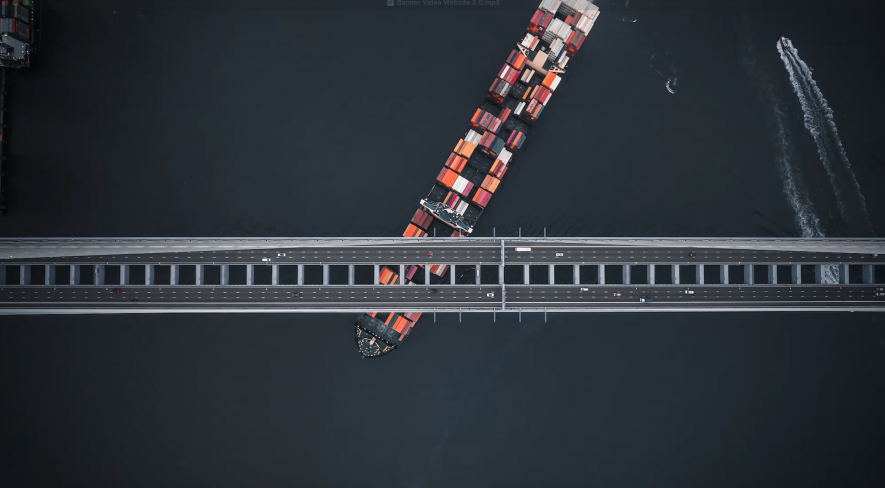
Vital Connections: Linear Critical Infrastructure and Climate Risk in B.C.
B.C.’s infrastructure systems aren’t ready for the risks ahead — but there are practical ways governments and operators can build climate resilience.
PICS gratefully acknowledges the financial support of the Province of British Columbia through the Ministry of Emergency Management and Climate Readiness (EMCR).
Recommended video citation: Pacific Institute for Climate Solutions. 2026. Vital Connections: Critical Infrastructure and Climate Risk. https://climatesolutions.ca/videos/vital-connections/