This page features the stand-alone publications (e.g., theses) from the project. Check out the project’s branches, which are more sustained and longer explorations of a particular aspect of climate resilience, for our other resources.


Academic Climate Resilience Publications
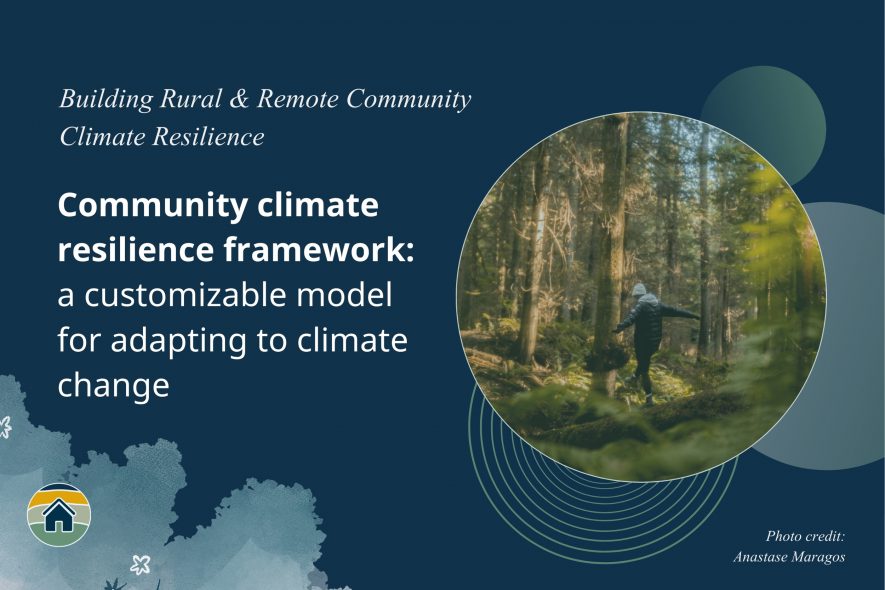
Community climate resilience framework: a customizable model for adapting to climate change
Ainaz Bozorgzadeh, SFU Individualized Interdisciplinary Studies
October 2025
How can communities plan for climate adaptation rooted in their values? This mixed-methods study finds that participatory engagement of local data and values, and integration of climate adaptation as a proactive component of emergency management, can strengthen climate resiliency planning. The Community Climate Resilience Framework developed in the thesis offers a flexible, actionable model anchored in participatory engagement, well-suited for smaller communities. The study includes recommendations for provincial government, local authorities, and consultants with ways they can support communities to undertake a value-based approach to climate resilience.
View the full report by clicking on this card.
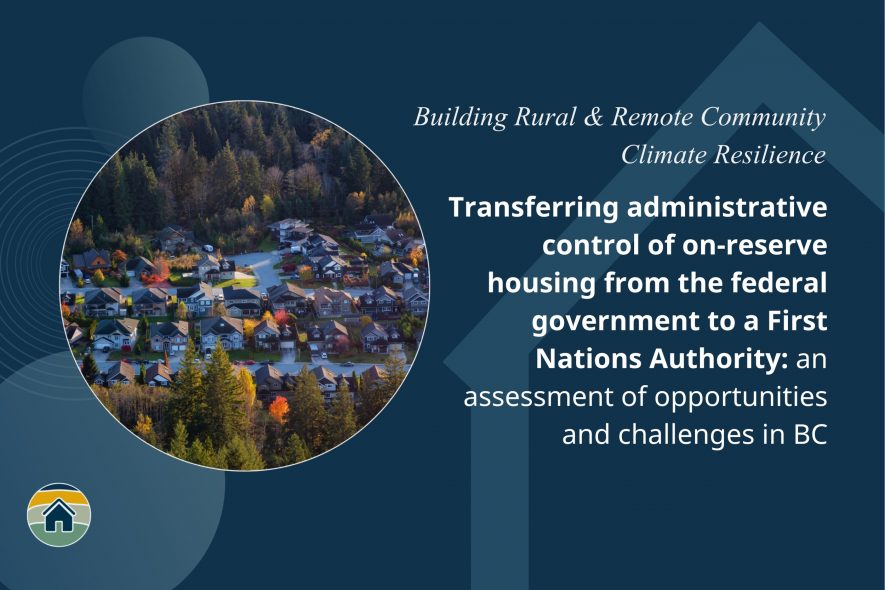
Transferring administrative control of on-reserve housing from the federal government to a First Nations Authority: an assessment of opportunities and challenges in BC
Oliver Sowa, SFU Public Policy
April 2025
What are the opportunities and challenges of transferring administrative control of on-reserve housing to a First Nations Authority? The status quo administration and delivery of on-reserve housing in BC have resulted in an inequitable and inadequate housing system, with 30% of homes on reserve needing major repairs or replacement. This policy analysis finds that transferring control of housing to a First Nations Authority could better support equitable resource allocation, the pursuit of self-determination, and provide more culturally relevant, climate-resilient housing options for community members.
View the full report by clicking on this card.
Adapting to the Smoke: Policymaker Responses to Wildfire-Induced Air Pollution in Metro Vancouver
Sharon Sa, SFU Public Policy
April 2025
How should BC’s policymakers respond to wildfire-induced air pollution? This study finds that income and education (namely, risk perception and awareness) play a significant role in shaping individual-level adaptive capacity. Wildfire smoke adaptation is both a health and climate emergency. It should be recognised and responded to as such through sustained government investment in clean air infrastructure and community-driven outreach that helps all populations adapt to the smoke.
View the full report by clicking on this card.
Most Recent Project Annual Report