
Featured Research

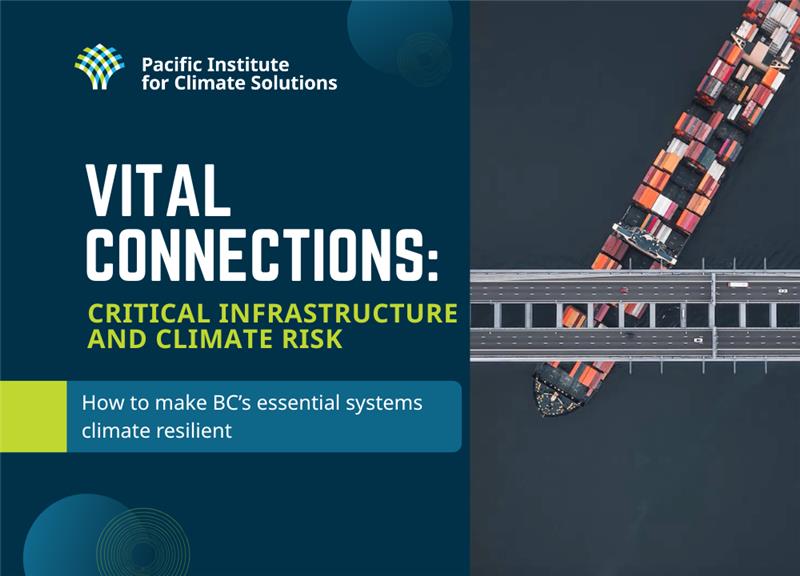
Vital Connections: Linear Critical Infrastructure and Climate Risk in B.C.
B.C.’s infrastructure systems aren’t ready for the risks ahead — but there are practical ways governments and operators can build climate resilience.
Featured Videos
Vital Connections: Critical Infrastructure and Climate Risk
B.C.’s critical infrastructure faces growing risks from extreme weather. This video explores how climate threats make systems fail — and the path to resilience.
Funding Opportunities

Policy Spark Research Grant Program
Apply now for rapid-turnaround funding for research that addresses emerging climate policy issues in British Columbia.
Related Resources

Turning down the heat: How to better protect your community in extremely hot weather
Up-to-date advice for B.C. decision makers to protect communities from extreme heat, with key risks, impacts, and preparedness actions.
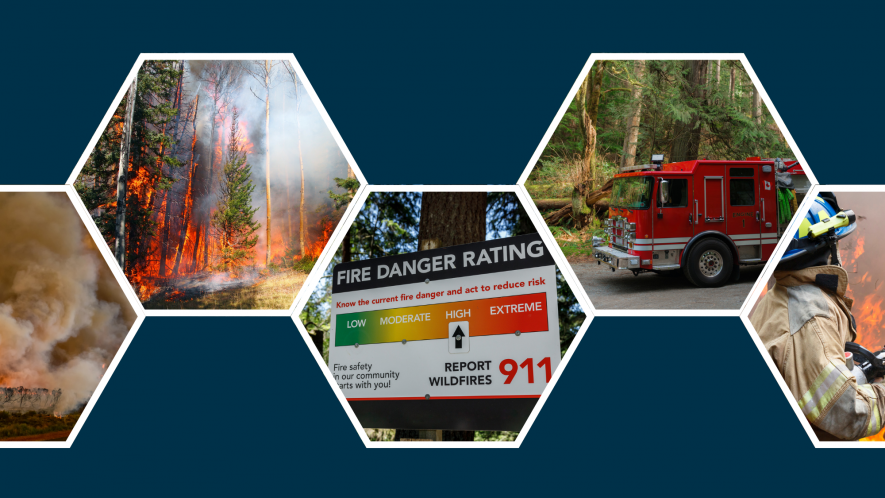
From ember to inferno: Wildfires in B.C. explained
How can communities, Nations, governments and others work together to reduce wildfire risk and build resilient communities?
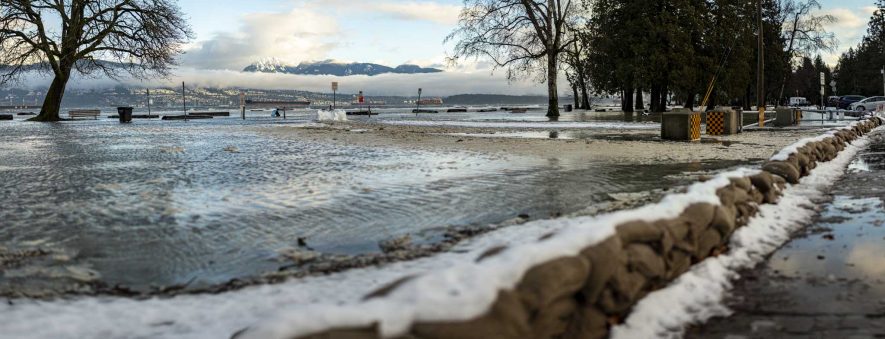
Gimme shelter: Upzoning for climate risks
Governments are encouraging increased housing density around transit hubs in B.C. But how can planners account for climate risk in some of these high-density areas?

A tool for tough decisions: rethinking climate change risk assessments
As climate impacts increase, how can governments better identify, assess, and prioritize risks?

Bridging climate research and risk assessments: A research and knowledge mobilization agenda
The Pacific Institute for Climate Solutions spent a year working with top researchers and practitioners across the province to outline how research and evidence can better inform risk assessments. Our work is detailed in this report.

A Pivotal Moment for B.C. Climate Action
British Columbia stands at a crossroads for climate action. This overview paper sets the stage for the CleanBC Insights Series, outlining why renewing the province’s flagship climate plan is about more than cutting emissions.
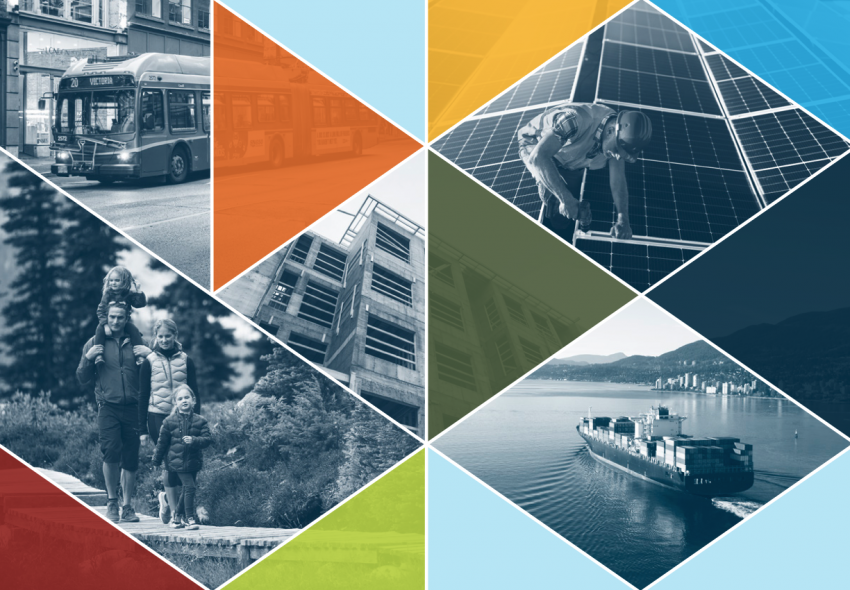
Sustainable and Affordable Housing: Strategies, innovations, and policy directions
B.C.’s housing boom presents a once-in-a-generation chance to align affordability with climate resilience. This paper outlines how new homes can be designed to be low-carbon, hazard-safe, and future-ready, ensuring today’s construction supports both families and the province’s climate goals.