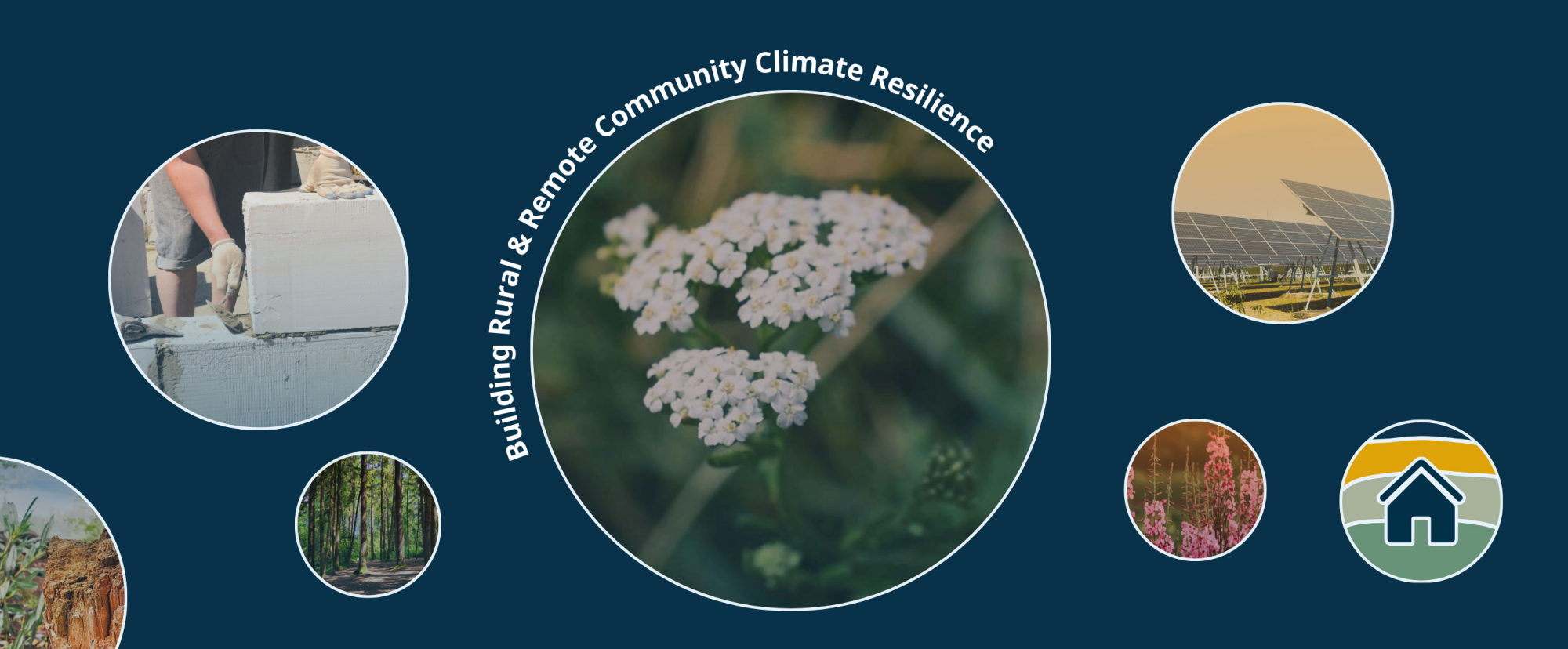
Funded by a grant from the Pacific Institute for Climate Solutions, Building Climate Resilience in Rural & Remote Communities is centred around collaborations that bridge climate strategies and policies in British Columbia with Indigenous and community-driven expertise. The project focuses on low-carbon resilience in housing, technical systems, and community planning.
The project works within these areas by:
- Developing toolkits, capacity-building resources, and practical solutions that support rural & remote communities in developing climate resilience.
- Supporting research initiatives that empower communities to ‘do’ climate resilience.
- Exposing and reducing barriers to climate resilience in BC’s rural & remote communities.

Yarrow is a perennial plant native to British Columbia and can be found all over the province. Not to be confused with hemlock, a visually similar but poisonous plant, yarrow has many uses. The plant is often used to treat sore muscles, toothaches, and as a general tonic. Yarrow also happens to be fire-resistant! It is easy to grow and can reach up to 90cm in length.
Yarrow and other gifts from nature are a reminder that climate resilience should be rooted in local solutions that address many needs.
Project Branches:
What does being a climate resilient community look like?



Ongoing Work:
- Developing Energy Sovereignty: our researchers are learning from stories of rural & remote Indigenous resilience built through community-controlled clean energy solutions.
- Monitoring for Cleaner Air: in partnership with COALESCE (Championing Older Adults for Leadership in Environmental Sustainability and Climate Empowerment), a SFU-based research project, we are studying the relationship between indoor air quality and health & wellbeing for Elders in two rural Indigenous communities in BC.
- Strong Local Planning: the research team is analyzing the key characteristics and robustness of climate action plans in rural & remote communities to understand what forms of local planning are more effective for building community climate resilience.
How the project works:
Partnerships, values, and meaningful engagement
Communities across B.C. have experienced the devastating impacts of climate change. Floods, wildfires, extreme heat and cold, and drought have led to loss of land, homes and community infrastructure, affected livelihoods, and contributed to food and energy insecurity. Rural and remote communities are particularly vulnerable to climate related impacts on homes, buildings, transportation, and energy infrastructure. Indigenous communities are especially at risk due to the legacy of colonial rule and resulting intergenerational trauma that contribute to economic inequalities, substandard housing, expensive and unreliable electricity.

The project’s research contributes through the development of tools and practical guides to support communities in reaching their climate goals. It takes a ‘bottom up’ approach that starts with community values and strengths and incorporates local and Indigenous knowledge to build resilience for housing, energy, and safety of technical systems. By reframing climate risks into opportunities for resilience, our goal is to empower community members to continue building for a climate resilient future.
Thanks to the Pacific Institute for Climate Solutions for funding this research being undertaken by faculty and students from B.C. universities, in partnership with key organizations, and community-based experts to co-develop climate solutions for and with rural and remote communities. We welcome you to explore the various resources and pages we have developed as a part of this project and beyond.
— Nancy Olewiler
Principal Investigator, Building Climate Resilience in Rural and Remote Communities
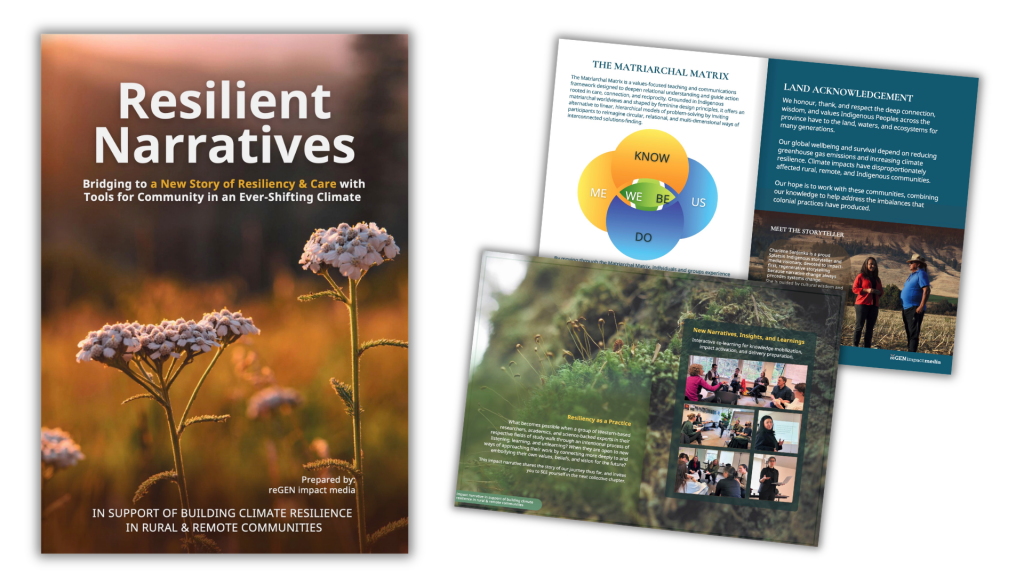
Impact Narrative
The project’s impact narrative explains the values guiding the team’s work. Our overall approach is grounded in relational storytelling.
Read the Impact Narrative ↓
Meet the Research Team
Leads & Collaborators
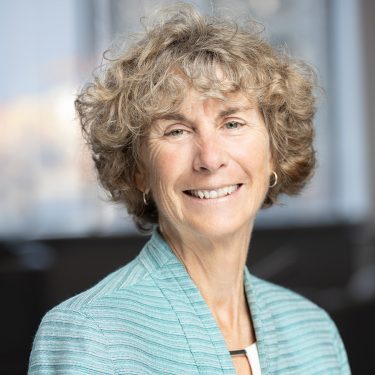
Nancy Olewiler
Principal Investigator; Professor, Public Policy, Simon Fraser University
Nancy Olewiler
Nancy Olewiler is an economist and Professor Emeritus in the School of Public Policy at Simon Fraser University and served as its Director for 15 years. Her PhD is in economics from the University of British Columbia. Prior to coming to SFU’s Economics Department in 1990, Nancy was in the Economics Department at Queen’s University.
Nancy’s areas of research focus on public policy, including climate and environmental policy, natural resources, energy, and regulation and risk. She has published in academic journals, edited books, provided reports for governments, has written two widely used textbooks, and has an active research program on climate policy.
Nancy has served on a number of boards of directors including BC Hydro, Powertech, Pembina Institute, TransLink, Technical Safety BC, and the Institute for Research on Public Policy. She was a member of B.C.’s Climate Solutions Council from 2020 to January 2026 and its Co-Chair from 2022 to 2026. She is currently a member of the Mitigation Panel for the Canadian Climate Institute, a Climate Fellow for the Pacific Institute for Climate Solutions, and serves on the board of directors for Genome BC. Nancy also chairs the Macroeconomic Accounts Advisory Committee for Statistics Canada.
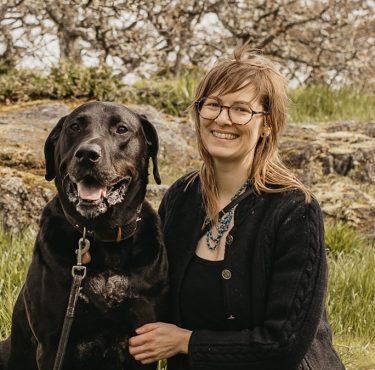
Kathryn Wells (they/she)
Research Project Manager
Kathryn Wells (they/she)
As a part of the Rural Community Resilience Project, I am happy to contribute to our collaborative goal of augmenting and informing existing community strategies, as well as policies, regulations, and legislation in British Colombia with Indigenous & community-driven knowledge and expertise to increase low carbon resilience in housing, technical systems, and energy security across the province.
By engaging in community-based research, I maintain focus on addressing current social, cultural, and environmental challenges for those who are most marginalized. My interests lie within the intersection of social inequalities and social movements, environmental degradation, indigenization and decolonization, as well as JEDI (Justice, Equity, Diversity, Inclusion) in the workplace. By combining these interests, I am committed to advancing accessible knowledge sharing, contributing to public, social, & academic literature.
As a researcher and writer, my focus also extends beyond academic pursuits to caring for people and the environment. I aim to minimize social inequalities and increase accessibility at local and international levels. My purpose is to foster a life of honesty, integrity, and kindness in all aspects. For a deeper insight into my interests and experiences, please feel welcome to email me at kathryn_wells@sfu.ca .

Niki Lindstrom
Director, Mistahiya Development Corporation
Niki Lindstrom
Niki Lindstrom is a member of the Saulteau First Nation. She holds an MBA from UNBC, Project Management Professional (PMP) certification, and a Graduate Certificate in Sustainable Cities and Communities from Harvard Extension School. As a dedicated and accomplished professional, known for her collaborative skills, Niki looks forward to using her knowledge to contribute to the economic and social development for Saulteau First Nations.
Niki’s diverse background includes First Nations housing (on and off-reserve), research and data projects, analytics, education, training, employment, and managing multi-layered government contracts. She has worked in leadership roles for the BC Government, industry, First Nations, seedling organizations and non-profits. She has successfully forged many cross-sectoral partnerships and has branched out to using her skills to support First Nations projects.
Niki grew up hiking and skiing in the mountains of Smithers, BC. Her two adult children are also Saulteau First Nations members. She has dedicated her career to working with First Nations communities and is excited to work more closely with her own nation.
Niki is committed to ensuring that First Nations knowledge and rights are valued and incorporated into projects, to optimize the health and wealth of Saulteau First Nations, now and for future generations.
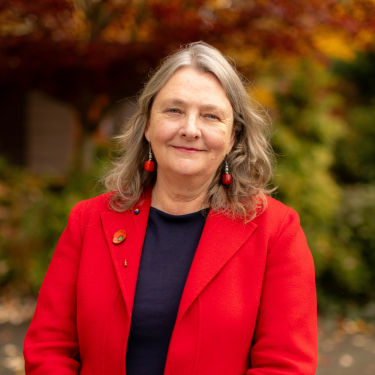
Stephanie Cairns (she/her)
Senior Director, Strategy and Foresight, Pacific Institute for Climate Solutions
Stephanie Cairns (she/her)
Stephanie is the Senior Director of Strategy and Foresight at the Pacific Institute for Climate Solutions. Over the last 30 years she has worked on circular economy, sustainable communities, climate and carbon pricing policies with leading Canadian climate change and environmental non-governmental organizations and research institutes, including the International Institute for Sustainable Development, the Natural Assets Initiative, the Smart Prosperity Institute, and the Pembina Institute. She was the first woman appointed as National President of the Canadian Parks and Wilderness Society, is past Chair of the Galiano Conservancy Association, and is currently a Coordinating Lead Author for the North American Biodiversity and Climate Change Assessment.
Stephanie has advised political leaders at every order of Canadian jurisdiction, served on numerous expert panels, and held the 2022 Kinross Chair in Environmental Governance at the University of Guelph. She has a Clean50 Lifetime Achievement award.
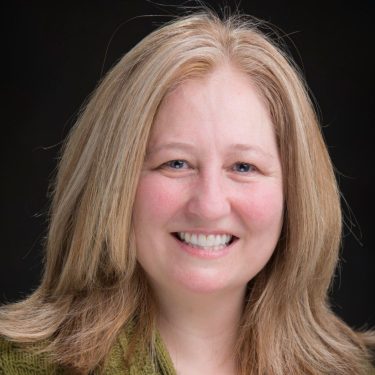
Maya Gislason
Associate Professor, MSHRBC Scholar, Simon Fraser University
Maya Gislason
Dr. Gislason joined FHS in September 2014 and is now an Associate Professor in the faculty with a focus on health equity. Prior to this, she was a Banting Postdoctoral Fellow at the University of Northern British Columbia, Canada with a focus on researching the intersections between public health and intensive resource extraction. Dr. Gislason holds a doctorate in Sociology (Medical Sociology) from the University of Sussex, UK, a Masters in Sociology and a double major in Sociology and Women’s Studies both from the University of Victoria, BC, Canada. A longstanding champion of ecosystem approaches to health, Dr. Gislason works upstream on public health issues by addressing the interconnection between human, animal and ecosystem health alongside her colleagues and community partners, including the First Nations Health Authority. She teaches on and guides research teams in developing Equity, Diversity and Inclusion (EDI) informed evidence generating tools, is a Sex and Gender Champion on tri-agency funded research, and is actively engaged in the dynamic space of intersectionality research and Gender-based Analysis Plus approaches to policy formation and evidence building. Dr. Gislason applies these tools and process to research on the impacts of climate change on diverse populations, addressing the environmental and community health impacts of intensive resource extraction on rural, remote, northern and Indigenous communities in Canada, and ultimately to advance the shared goal of Planetary Health.

Katharina Koch (she/her)
Research Associate, The School of Public Policy, University of Calgary
Katharina Koch (she/her)
Dr. Katharina Koch is a Research Associate at the School of Public Policy at the University of Calgary. In her current role, she is contributing to the development of a Canadian climate policy database and the integration of equity dimensions in Canadian climate policy. Previously, Dr. Koch was engaged in the Canadian Northern Corridor Research Program, where her research spanned a diverse array of themes linked to the infrastructural disparities in Canada’s northern regions. This encompassed investigations into the digital divide, Arctic security, and the far-reaching consequences of inadequate infrastructure for both northern residents and Indigenous Peoples. She has obtained her Ph.D. in Geography from the University of Oulu in Finland and she has a M.A. and a B.A. from Maastricht University in the Netherlands.
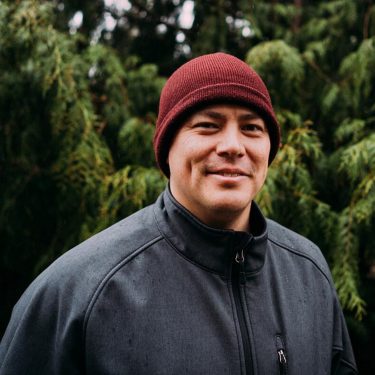
Kear Pottris
Adjunct Professor, University of Victoria, Department of Civil Engineering
Kear Pottris
Kear is a Métis-Chinese professional who has been walking in multiple worlds since he was born. His Father is Métis and his mother is a Chinese immigrant from Hong Kong. He grew up in Treaty Four Territory – Regina, Saskatchewan. With a civil engineering background, holding an undergraduate and Master of Applied Science Degrees in Civil Engineering, he merges education, personal, and professional experience with a solutions based lens.
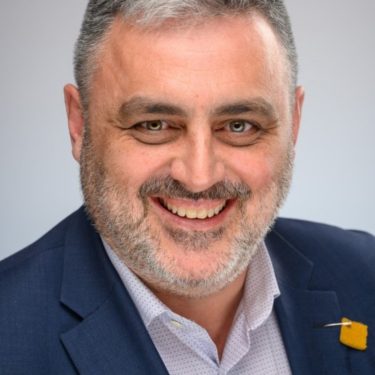
Rod Hill
Director, Indigenous Relations, BC Housing
Rod Hill
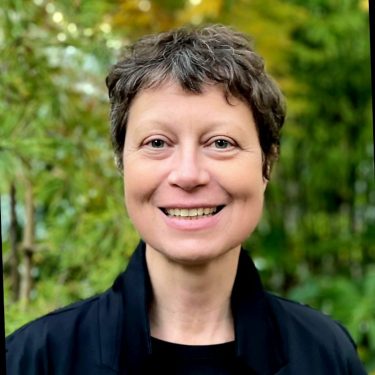
Wilma Leung (ta/she/her)
Senior Manager Technical Research and Education, BC Housing Research Centre
Wilma Leung (ta/she/her)
Wilma Leung 梁詠梅 is a systems-attuned public servant who weaves technical insight, ecological ethics, and hands-on construction knowhow into housing futures stitched with care and responsibility. She works at the intersection of systems care and the built environment, navigating complexity with attention to land, context, and long-term impact.
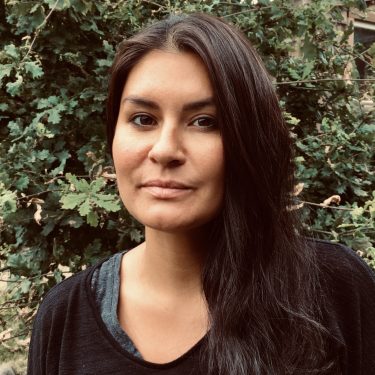
Magda Szpala
Sustainability & Resilience Director, BC Housing
Magda Szpala
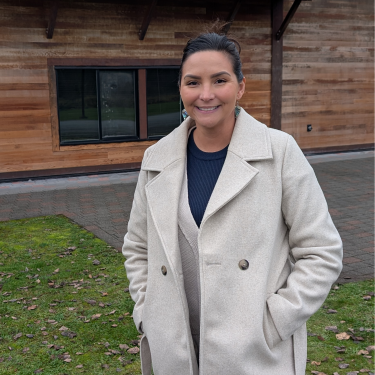
Courtenay Crane
Director of Communications, First Nations Housing & Infrastructure Council
Courtenay Crane
Courtenay Crane is Saulteaux, a member of the Key First Nation in Treaty 4 Territory in Saskatchewan. She spent most of her life in Vancouver, and currently lives on the Sunshine Coast. She has a B.A. from the University of British Columbia, with a double major in First Nations Studies and Geography, and a diploma in Film Production from Vancouver Film School. Courtenay has always worked in creative positions and is interested in using storytelling to create social and environmental change.
Martina Lewis
Director of Asset Management, First Nations Housing & Infrastructure Council
Martina Lewis
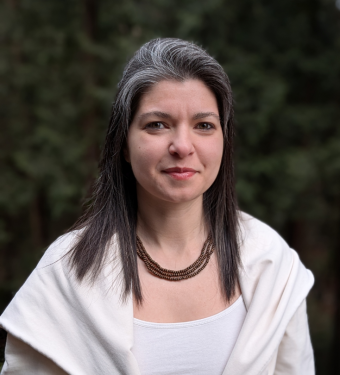
Ainaz Bozorgzadeh
Project Director, Coastal Climate Resilience, ICLEI
Ainaz Bozorgzadeh
Ainaz is currently a project Director at ICLEI Canada, leading a regional collaboration of local governments for climate resilience. She is a Professional Engineer and an accredited Infrastructure Resilience Professional with over 15 years of experience in climate mitigation and adaptation.
Ainaz completed her Master’s through SFU Interdisciplinary Individualized Studies, as a researcher on the Pacific Institute for Climate Solutions funded Remote and Rural Communities’ Climate Resilience themed partnership research project. Through her Master’s, Ainaz developed a value-based community climate resilience framework, addressing the intersection of engineering, policy and community engagement.
Her career journey started in consulting engineering with carbon accounting and energy audits of infrastructure. In the past decade, her professional focus has been on climate adaptation, bringing together multidisciplinary teams to conduct climate impact assessments. Ainaz strives to uplift equity and community knowledge through her work and is guided by the teaching of Indigenous Knowledge Keepers of Turtle Island, as well as her ancestral culture’s teachings from Iran.
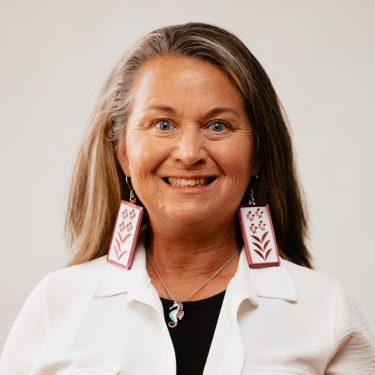
Charlene SanJenko
Founder & CEO, Co-Lead, reGEN impact media
Charlene SanJenko
Charlene SanJenko is a two-time Indigenous founder with a solid corporate background in investment services, marketing & communications, community economic development, politics, and impact production, dedicated to radically transforming how creative resources are allocated and to whom, for the highest purpose of all our relations.
Charlene is from the Splatsin tribe, the most southern tribe of the Shuswap Nation in British Columbia and now resides on the beautiful Sunshine Coast since 2004, the traditional territory of the Squamish (skwxwú7mesh) First Nations. Charlene is in the process of reconnecting with her culture and her nation (as documented through her short film, Coming Home), a journey that began in 2015 with her status finally confirmed in 2019.
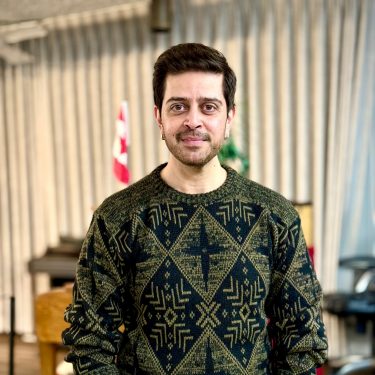
Vije Bhatia (he/him)
Creative Director and Writer, ReGEN Impact Media
Vije Bhatia (he/him)
As a Creative Director and Writer, Vije brings a unique blend of creativity and strategic thinking to every project. With extensive experience in public relations, creative production, and storytelling, he specializes in crafting compelling narratives that engage audiences and drive meaningful impact.
Vije’s professional journey has included leading public art initiatives, managing high-profile campaigns, and overseeing complex projects that require both visionary leadership and meticulous attention to detail. He excels at transforming ideas into powerful visual and written content, ensuring each project resonates with its intended audience.
Passionate about the art of storytelling, Vije believes in using creativity as a tool to inspire, connect, and influence.

Coral Buitenhuis (she/her)
Leader, Climate Action, Technical Safety BC
Coral Buitenhuis (she/her)
Coral’s background is in climate change policy, environmental studies, and psychology. Coral has worked at Technical Safety BC since 2016 and launched the Climate Action team in 2020.
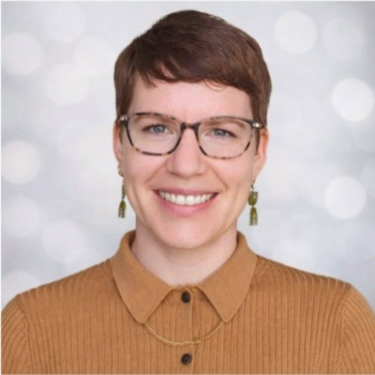
Tjasa Demsar (she/her)
Climate Action Advisor, Climate Action & Sustainability, Technical Safety BC
Tjasa Demsar (she/her)
Marci McDougall
Electrical Safety Officer, Technical Safety BC
Marci McDougall

Nicola Prokop
Leader, Indigenous Reconciliation & Partnerships, Technical Safety BC
Nicola Prokop
Jeremy Overton
Electrical Senior Safety Officer, Technical Safety BC
Jeremy Overton
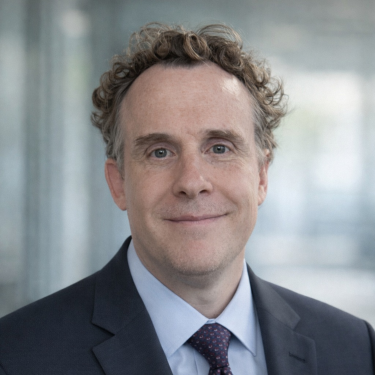
Jeremy is an Electrical Senior Safety Officer with Technical Safety BC. Formerly, Jeremy worked as an Electrical Safety Officer for almost nine years, including three at the City of Vancouver, and more than six with Technical Safety BC in East Kootenay region and on Vancouver Island. He works with Technical Safety BC’s Climate Action and Sustainability team, helping to facilitate the safe adoption of low carbon technologies such as solar/PV, electric vehicles, energy storage systems, and microgrids, and explores how to leverage these technologies to increase the resilience of electrical infrastructure in remote and Indigenous communities. His work also includes Canadian Electrical Code interpretation and development, and he is a Technical Sub-Committee member of Sections 10, 62, and 86.
He is the secretary of the International Association of Electrical Inspectors (IAEI) BC Chapter, and 2nd vice president of the Canadian Section. He lives in Port Alberni, BC with his wife and two children, and can be reached at jeremy.overton@technicalsafetybc.ca.
Contributors & Advisors
Andrew Pape-Salmon
University of Victoria and BC Ministry of Energy and Climate Solutions
Andrew Pape-Salmon
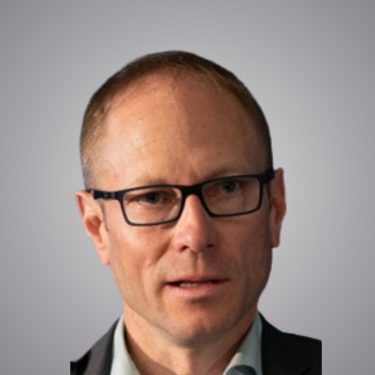
Andrew is a leader in the energy and buildings sectors. Andrew has 25 years of experience as a professional engineer spanning many segments of the electricity sector with an emphasis on energy efficiency, renewable energy and distributed energy resources, community energy and resilience planning, and on building science, optimization and decarbonization.

Jennifer Winter
Professor, School of Public Policy, University of Calgary
Jennifer Winter
Dr. Jennifer Winter is a Professor in the Department of Economics and the School of Public Policy, University of Calgary, and the Departmental Science Advisor at Environment and Climate Change Canada. Her research evaluates climate policies, and examines the effects of government regulation and policy on energy development and the associated consequences and trade-offs. Current research projects include carbon pricing costs for households in Canada; comparing provincial emission-reduction policies; and federalism and climate policy. She has testified to the Senate of Canada and House of Commons on emissions pricing policies, and has advised governments in Canada in numerous capacities. Dr. Winter is actively engaged in increasing public understanding of energy and environmental policy issues; recognition of her efforts include a 2014 Young Women in Energy Award, being named one of Alberta Oil Magazine’s Top 35 Under 35 in 2016, one of Avenue magazine’s Calgary Top 40 Under 40 in 2017, and one of Canada’s Clean50 and Clean16 in 2019. She serves on several boards and advisory committees.
Former team members:
- Jessica Woolliams, BC Housing
- David Bristow, University of Victoria
Research Assistants
Valentijn Helmus (they/them)
Bachelor of Arts (Geography & Indigenous Studies), Simon Fraser University
Valentijn Helmus (they/them)
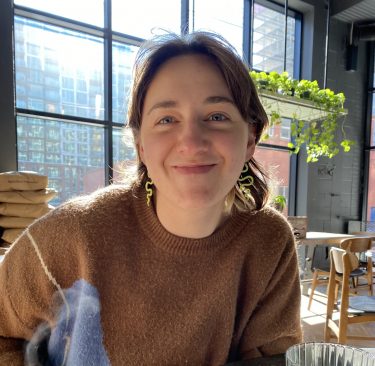
Valentijn Helmus is a settler of Dutch/Scottish Gael descent and research assistant for the PICS Rural and Remote Resiliency Project. They recently completed an undergraduate degree at Simon Fraser University with a major in Geography and minor in Indigenous studies. Their work is focused on community-based fire resilience planning, engagement, and adaptive action. They are deeply passionate about intersectional environmentalism, community-centered solutions, and the remote and rural spaces they grew up in. They currently live in so-called Vancouver on the unceded and ancestral territories of the xʷməθkʷəy̓əm, Sḵwx̱wú7mesh, and səlilwətaɬ Nations.
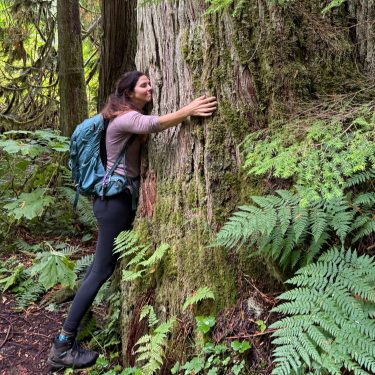
Kira L. Johnson (she/they)
PhD Candidate (Health Sciences), Simon Fraser University
Kira L. Johnson (she/they)
Kira L. Johnson, MSc, is a transdisciplinary scholar conducting doctoral research on planetary health governance. Her studies use mixed methods and are informed by complexity theory and complex adaptive systems. Kira’s further research interests include food systems, interspecies equity and justice, multisolving, and just sustainability transformations. When she isn’t working on her PhD, Kira is a dog mom, a circus artist, and she loves hiking and spending time in nature.

Sharon Sa (she/her)
Master of Public Policy, Simon Fraser University
Sharon Sa (she/her)
Sharon Sa is a Research Assistant at Simon Fraser University. Her work focuses on the intersection of climate change and health in relation to socio-economic inequality.
Sharon graduated with distinction from the University of British Columbia and holds a Master of Public Policy from Simon Fraser University, where she specialized in environmental and health policy. Her capstone project, which examined income disparities in wildfire smoke adaptation, was supported by the Social Sciences and Humanities Research Council and received the Canadian Association for Programs in Public Administration Award, as well as the Disaster Resilience and Innovation Scholarship.
Prior to joining PICS, Sa worked as a Junior Policy Analyst with the B.C. Ministry of Emergency Management and Climate Readiness.
As a published author in Policy Options, she continues to explore innovative ways to raise public awareness and bridge equitable policy options in the face of climate-driven events.
In her spare time, you’ll likely find her exploring the North Shore mountains or training her new puppy.
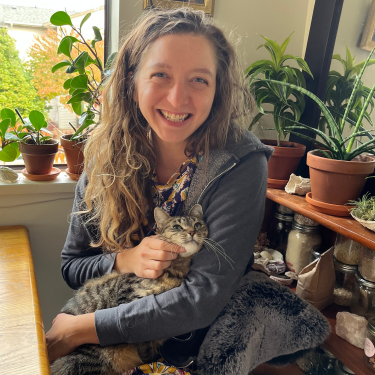
Andrea Sadowski (she/her)
Master of Arts student (Community Development), University of Victoria
Andrea Sadowski (she/her)
Andrea Sadowski is a Research Assistant (Knowledge Mobilization). Her work on this team focuses on translating complex research into clear, accessible, and engaging content for diverse audiences, including community members, practitioners, and policymakers. She brings a collaborative, storytelling-driven approach to ensuring that climate-resilience knowledge is accessible, relevant, and actionable across the diverse rural and remote communities in British Columbia.
Andrea holds a BA in Global Development Studies from the University of the Fraser Valley and is currently completing a Master of Arts in Community Development and a Graduate Certificate in Evaluation at the University of Victoria. She is a communications and community engagement specialist with over a decade of experience working with local and international non-profits across climate action, housing, independent journalism, and community development sectors. Her background also includes frontline experience in supportive housing and shelters, informing a trauma-informed and equity-focused approach to knowledge mobilization.
In her free time, she enjoys hiking in forests and swimming in lakes with her sweet mutt, Dozer, cultivating her little urban garden, and cooking elaborate feasts to share with loved ones. She also teaches yoga in community and senior recreation settings, where she continues to refine her skills in clear, inclusive communication.
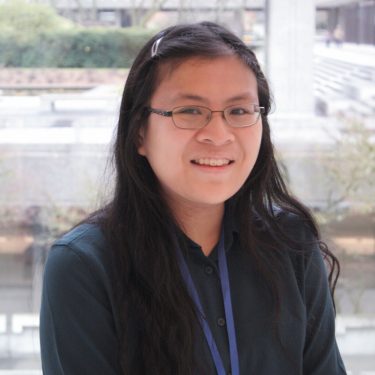
Gabrielle Wong (she/they)
Master of Arts student (Geography), University of Toronto
Gabrielle Wong (she/they)
Gabrielle is the project’s Web Design Research Assistant, supporting the team in sharing their findings with a wider audience. She completed her undergraduate degree at SFU, where she majored in human geography, with a minor in social data analytics and a certificate in urban studies. Gabrielle’s academic interests include understanding community responses to climate change and the political ecology of wildlife conservation (the subject of their undergraduate honours essay!). Gabrielle is currently an MA student in geography at the University of Toronto. Outside of school, Gabrielle enjoys crocheting, baking, and playing the piano.
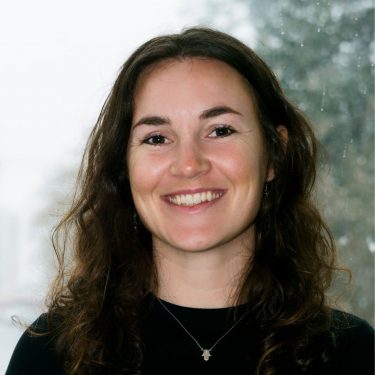
Rachael Wootton (she/her)
Master of Resource Management (Planning), Simon Fraser University
Rachael Wootton (she/her)
Rachael recently completed her Master of Resource Management – Planning at Simon Fraser University. Her research focused on planning for climatic hazards, with a focus on extreme heat and wildfire. Before her studies, Rachael worked in the environmental non-profit sector, on projects related to implementing nature-based solutions and natural infrastructure in cities. She is passionate about environmental justice and the role of nature-based solutions in building equitable and climate-resilient communities. Rachael holds a bachelor’s degree in Global Development and Environmental Studies from Queen’s University. When she’s not working, you can find her in the mountains skiing, hiking or mountain biking, working in her garden, or curled up with a good book.
Former research assistants:
- Irina Borgos, SFU
- Ainaz Bozorgzadeh, SFU
- Kai Clark, SFU
- Hoda Dodianahanger, UNBC
- Jaina Gahunia, SFU
- Liam Janke, UVIC
- Angel Kennedy, SFU
- Tira Okamoto, SFU
- Oliver Sowa, SFU
- Naikun Zheng, UNBC
Partner Organisations

Simon Fraser University

University of Victoria

BC Housing

First Nations Housing & Infrastructure Council

Technical Safety BC
Research Partner

COALESCE (Championing Older Adults for Leadership in Environmental Sustainability and Climate Empowerment) is an SFU-based project focused on building climate-resilient, age-friendly communities. Our project is partnering with COALESCE expand their pilot study. We are investigating the links between indoor air quality and health & wellbeing for Elders in two rural Indigenous communities.