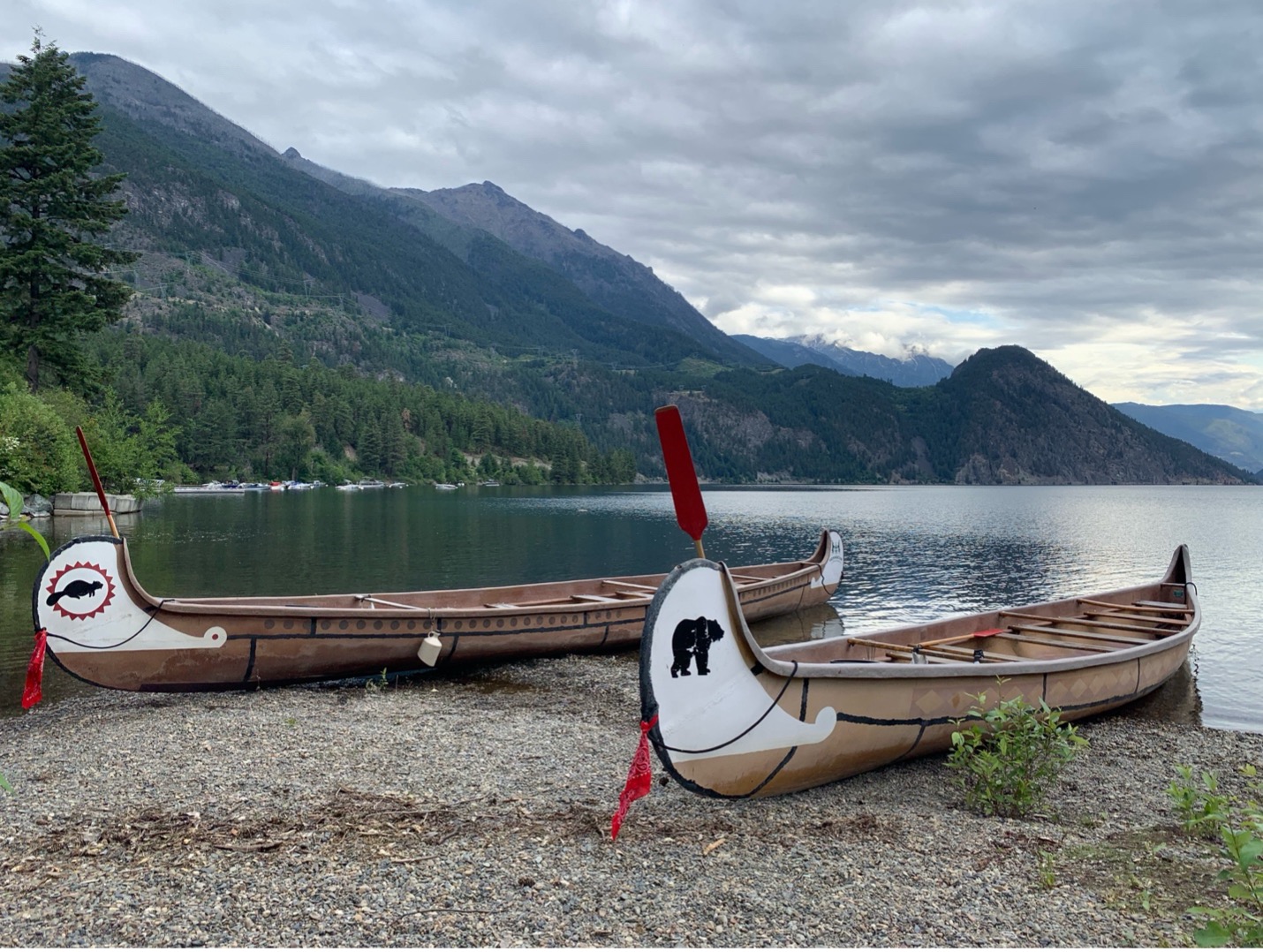
As we paddled towards Seton Beach, my obliques and arms ached from the repetitive sweeping motion that had governed my life for more than 10 hours over the past two days. Around me, paddlers were focused, tired, and eager to reach our final destination on the last leg of our canoe journey throughout St’at’imc territory. From a boat to my right, I could hear the pulse of a drum, accompanied by voices raised in song.
As we turned the corner and caught our first glimpse of Seton Beach, I felt goosebumps on my arms. The shoreline was filled with people, gathered to welcome us to shore. We paddled in unison and stopped 10 metres from land. Following St’at’imc protocol, our leader announced where we had come from, why we were there, and requested permission to come ashore. Once permission was granted, we unloaded our canoes and embraced our family and friends in celebration of our arrival.
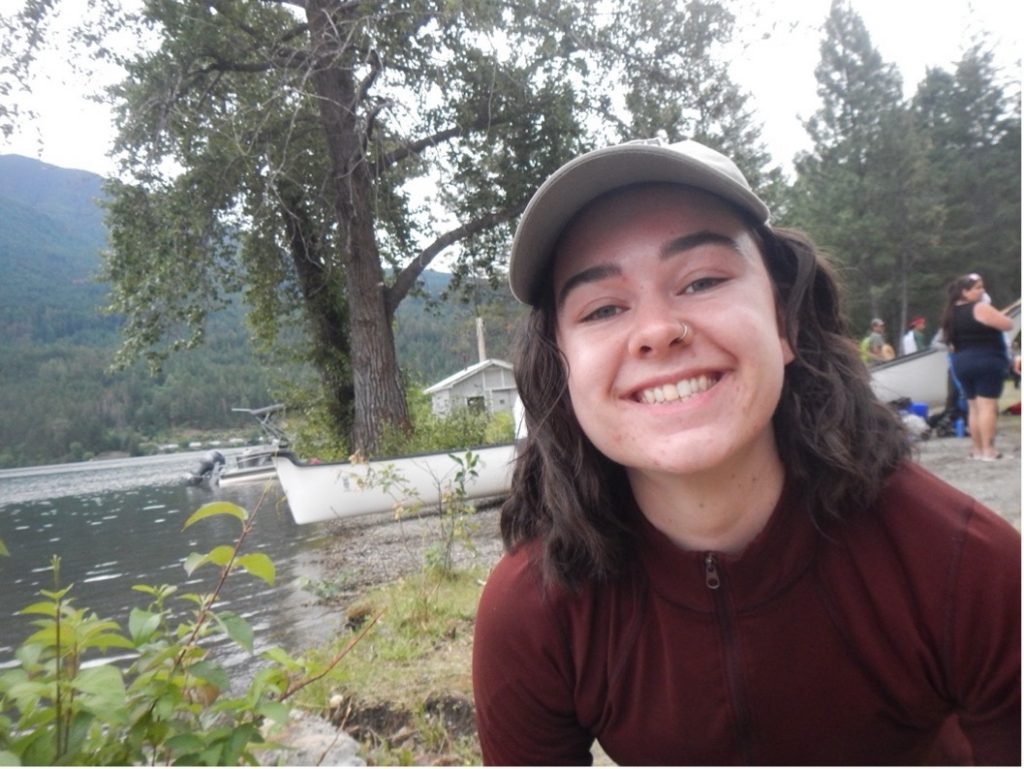
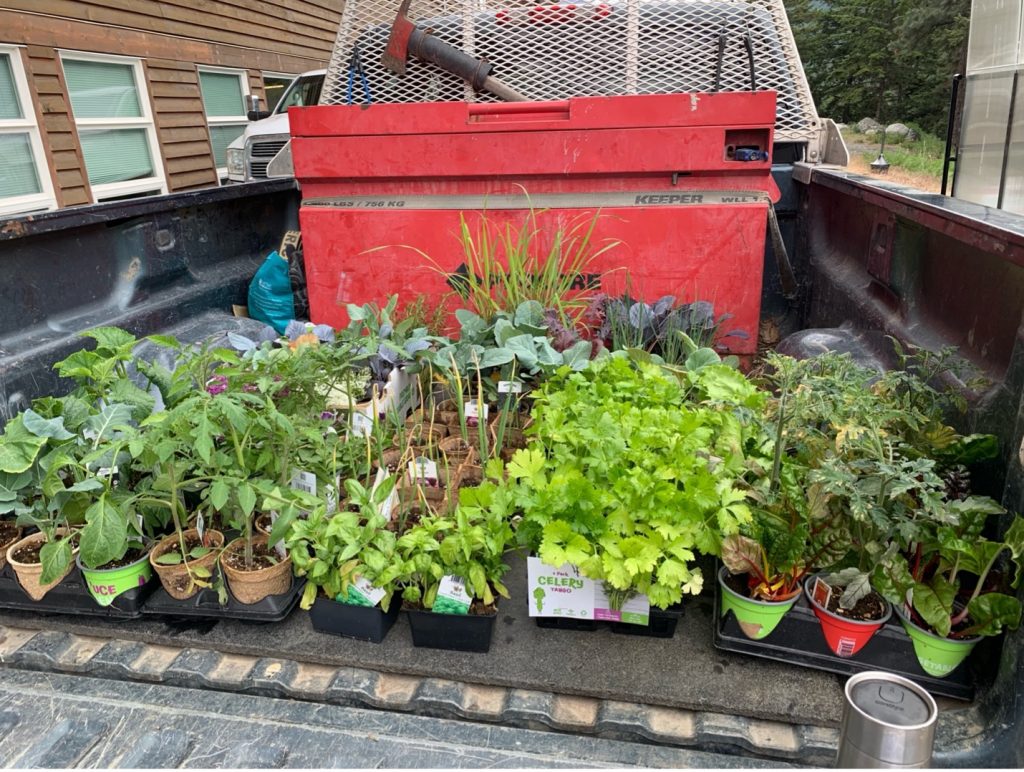
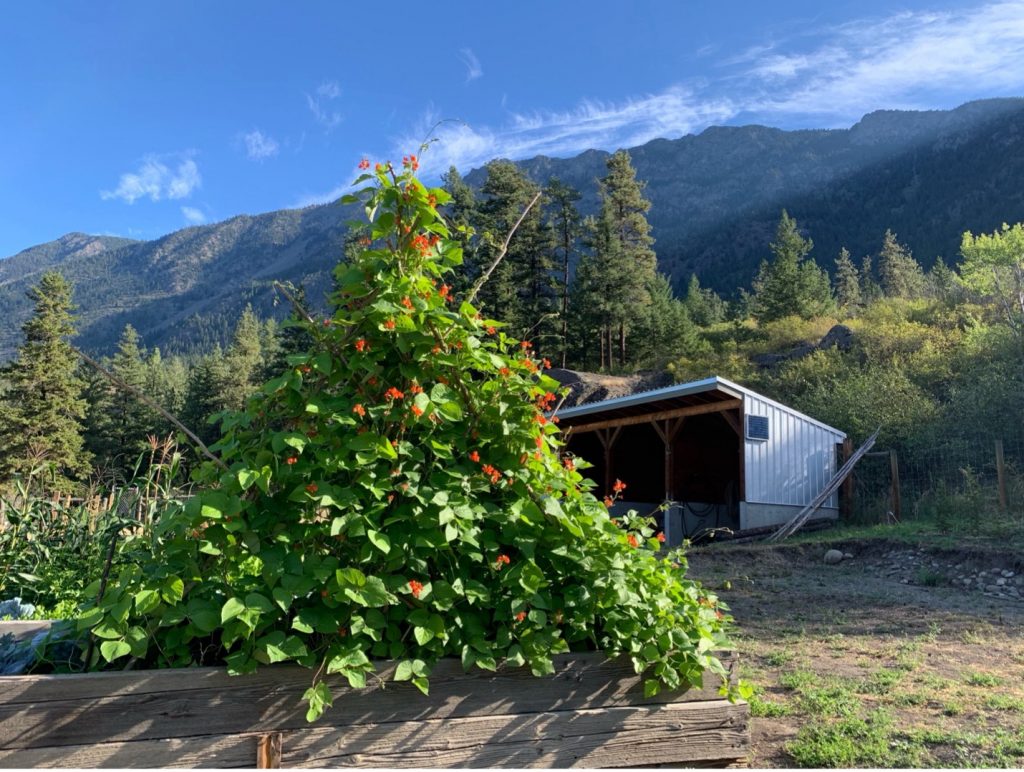
The canoe journey is an annual gathering, organized by St’at’imc communities as an opportunity to come together on the land and revitalize cultural practices. As a climate intern working for the Bridge River Indian Band, located just north of Lillooet, British Columbia, I was invited to participate and witness how cultural practices and relationships to territory shape climate resilience. Our project, the Xwísten Ancestral Food Systems Revitalization Project, links food systems and climate resilience, as they are deeply interconnected in Xwísten territory.
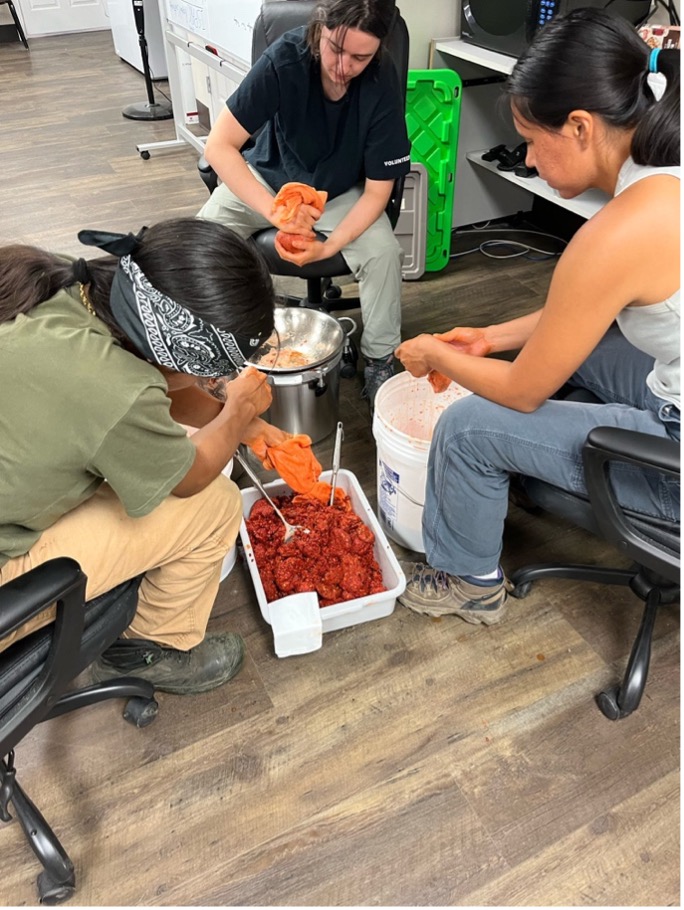
Shifts in climate have made access to traditional foods inconsistent and unpredictable in Xwísten terriotory. In recent years, there have been fewer berries and salmon. These changes affect not only the ecosystem, but also culture, health, and community well-being.
What surprised me most during my time in Xwísten was how alive and present traditional food systems are. Growing up in the Lower Mainland, it was rare to see people living off the land. However, in Xwísten, harvesting traditional foods such as Xusum (soapberry) and salmon is a regular and deeply embedded practice. With that harvesting come an intimate knowledge of place. I was continually amazed by the level of attention and care given to the land.
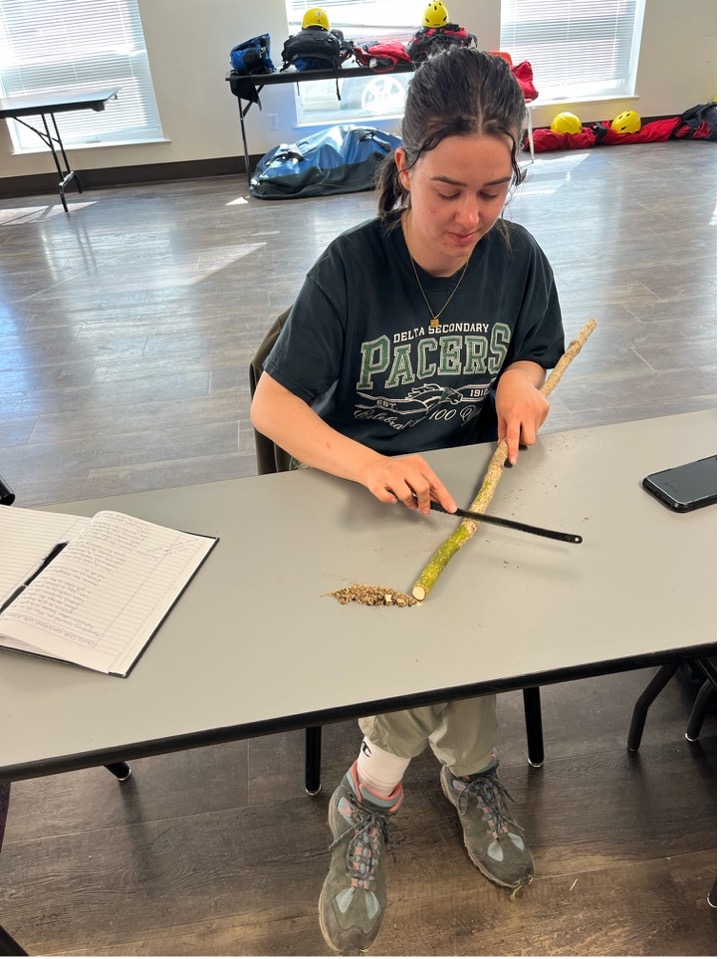
My coworker, Rainah Thomas, Lead Farm Hand for the Xwísten Community Farm, knows the land and weather on an incredibly intimate and detailed level. She could explain exactly what the day’s weather would bring by reading cloud formations and wind direction in the morning. This kind of deep expertise in local weather patterns is an essential element in understanding how the climate is changing and adapting to its real-time impacts.
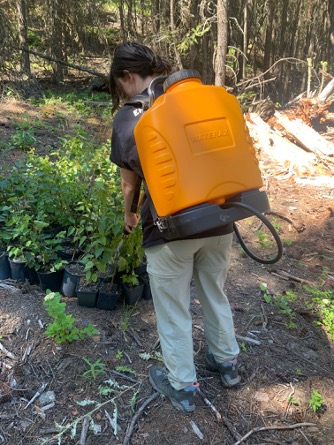
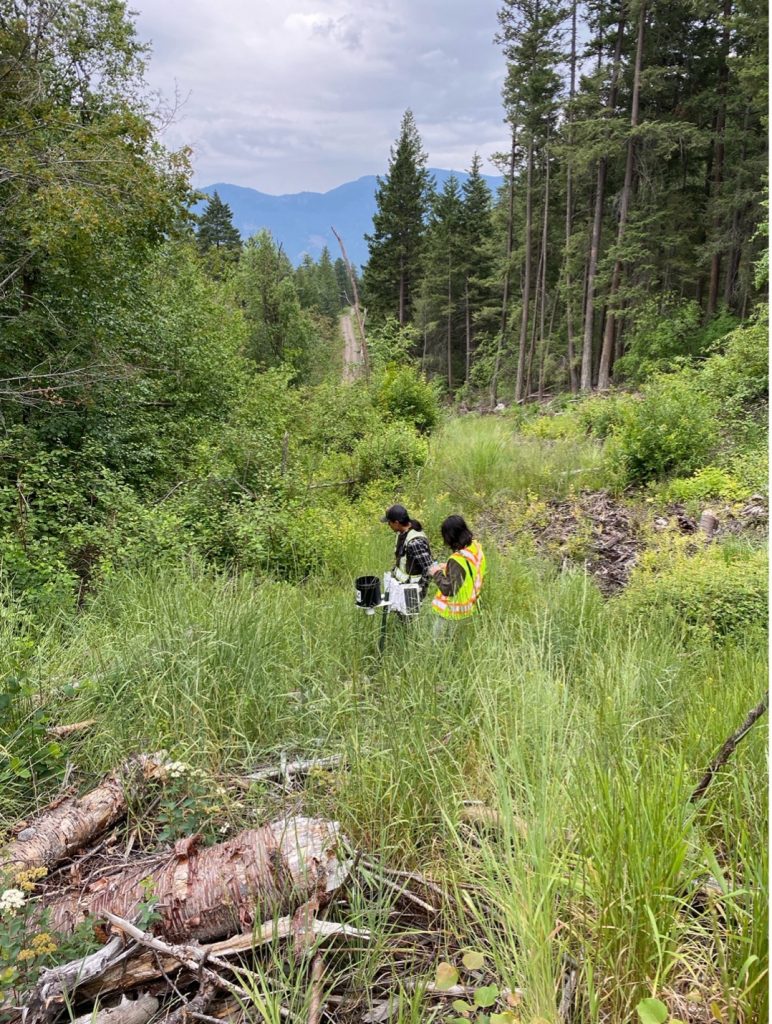
Alongside this expertise already present in the community, our team used weather monitoring tools to better understand local conditions. For example, we installed a weather station at our restoration site to track its specific microclimate (the unique conditions of this small area). Xwísten is shaped by varied terrains and two distinct climatic zones, which means weather patterns can differ significantly across short distances.
The weather station will help us understand subtle differences between regions and plan future restoration work effectively. When combined with traditional Knowledge and observation, tools like this can paint a fuller picture of how climate change is manifesting in specific ecosystems. Each technology and form of knowledge works together, like paddlers in the canoe.
When I was asked to reflect on a challenge I faced during my internship, I immediately thought back to the beginning of my time in Xwísten. As a non-Indigenous person with limited experience working with Indigenous communities, I felt unsure of my place. Despite a very warm welcome, I struggled with imposter syndrome, especially as I began to feel connected to the work and the people around me.
Right around this time I met Edwin Bikadi, whom we refer to as Buckshot, a men’s mental health professional and member of the Líl’wat Nation. As if he sensed what I was carrying, he shared a piece of wisdom with me that I will never forget: “the medicine wheel tells us that we need all people. If your heart is in the right place, then this is where you belong”. His words continue to guide me in my work.
Buckshot’s words are just one example of the immense compassion and care that is abundant in the St’at’imc community. During my time in Xwísten, I came to understand the full meaning of “all my relations”. Care extended not only to neighbours, friends, and coworkers, but also to the land, plants, and animals. This sense of reciprocity, of mutual responsibility and respect, showed me what meaningful climate action can look like in practice.
I believe it is from relationships like these that deep and lasting climate solutions will emerge. My internship taught me that addressing climate change is not only about data or technology, but about listening, learning, and showing up with care for the places and people around you.
Taylor Griffiths recently completed a Bachelor of Environment (BEnv) in Resource and Environmental Management at Simon Fraser University.