PICS supports research, collaboration and action that helps people prepare for a changing climate and build more resilient futures
Our climate adaptation work brings together researchers, communities, students, and decision-makers to better understand climate risks, explore solutions, and turn knowledge into action.
Our adaptation work spans research, knowledge mobilization, and on-the-ground action across B.C. It includes major reports that inform decision-makers, research projects developed with and for communities, and funding opportunities that support adaptation-focused work across British Columbia.
Check out our adaptation work ↓
Major adaptation research & reports
Explore PICS’s latest major research and reports on climate adaptation. This work aims to inform decision-makers at the local and provincial levels and provide communities with knowledge and tools to better understand climate risks and build resilience.
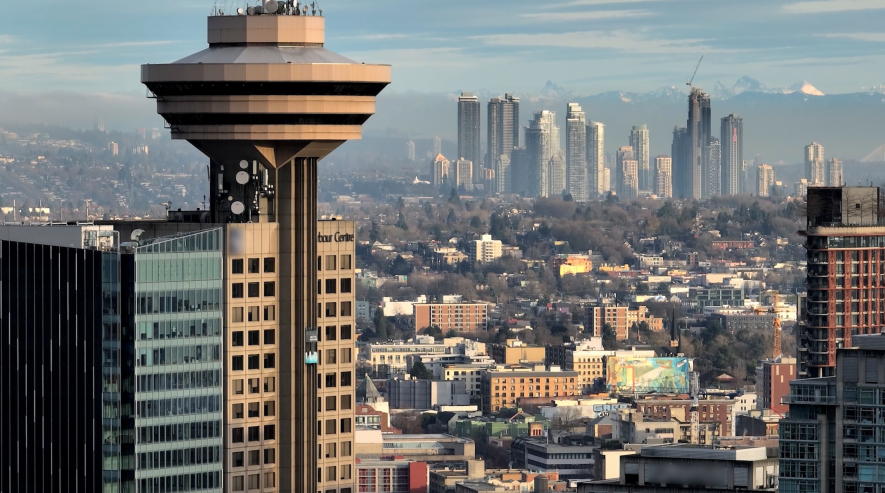
Where We Build Matters: Land use planning for safety, affordability, and resilience
Where we build matters more now than ever. Land use planning offers pathways to build more resilient communities as climate risks worsen across B.C.
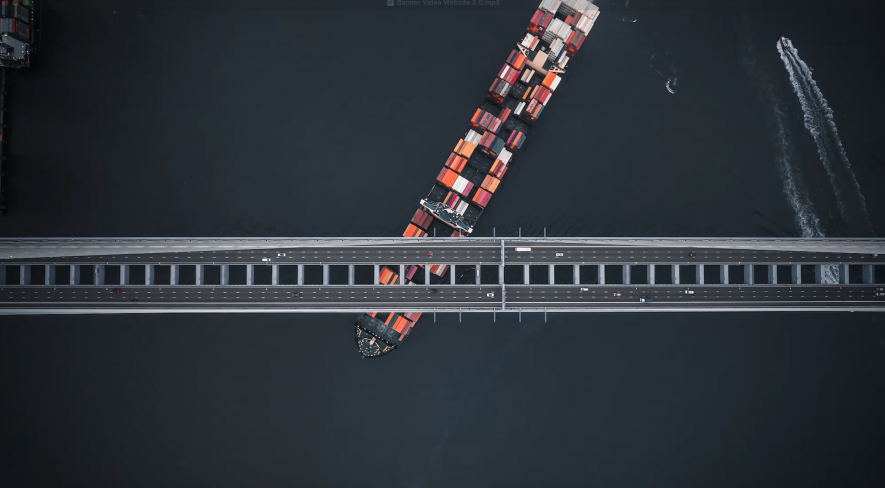
Vital Connections: Linear Critical Infrastructure and Climate Risk in B.C.
B.C.’s infrastructure systems aren’t ready for the risks ahead — but there are practical ways governments and operators can build climate resilience.
Building Climate Resilience in Rural & Remote Communities
Resources, toolkits, and practical solutions for rural and remote communities as they develop climate resilience.
CleanBC Insights Series
Through research and insights, this series explores how CleanBC is working, what challenges remain, and how today’s choices will shape B.C.’s future.
Adaptation funding opportunities
PICS supports the people and organizations advancing climate adaptation through funding opportunities for students, researchers, communities, and knowledge mobilizers across B.C.
World Weaving Climate Research Program
This program offers three granting pathways designed to ensure research partnerships are built on respect, reciprocity, and meaningful First Nations leadership.
Climate Foresight Program
What big challenges are on the horizon, and how can we explore transformative solutions to those problems?
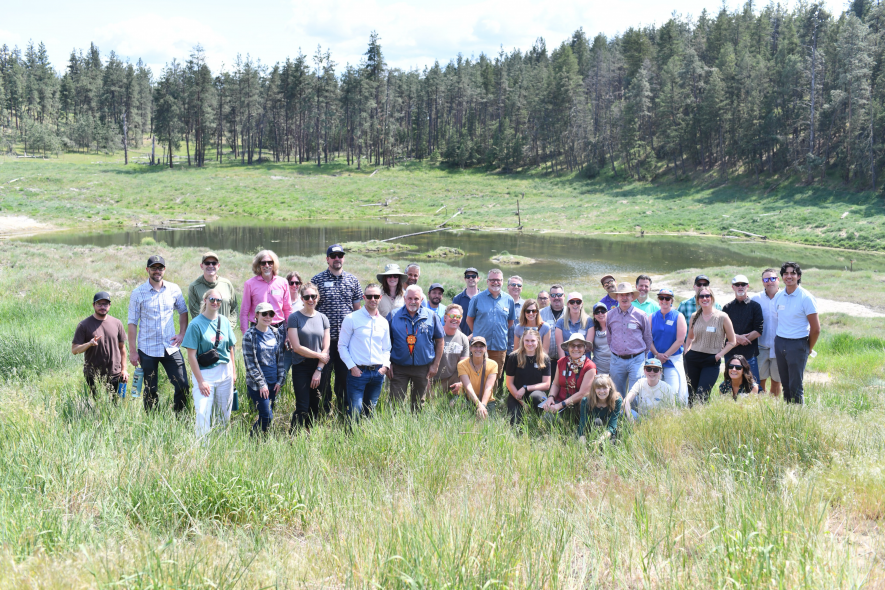
Community Climate Action Events
Looking to host a climate action event in BC? PICS is here to help.
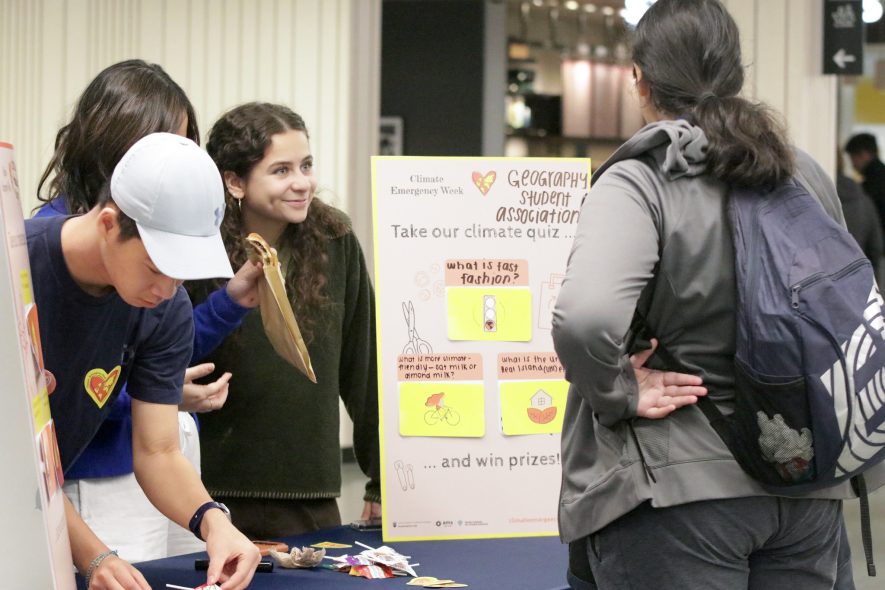
University Climate Knowledge Mobilization Events
Are you hosting a climate event through a PICS-network university? We can provide support.
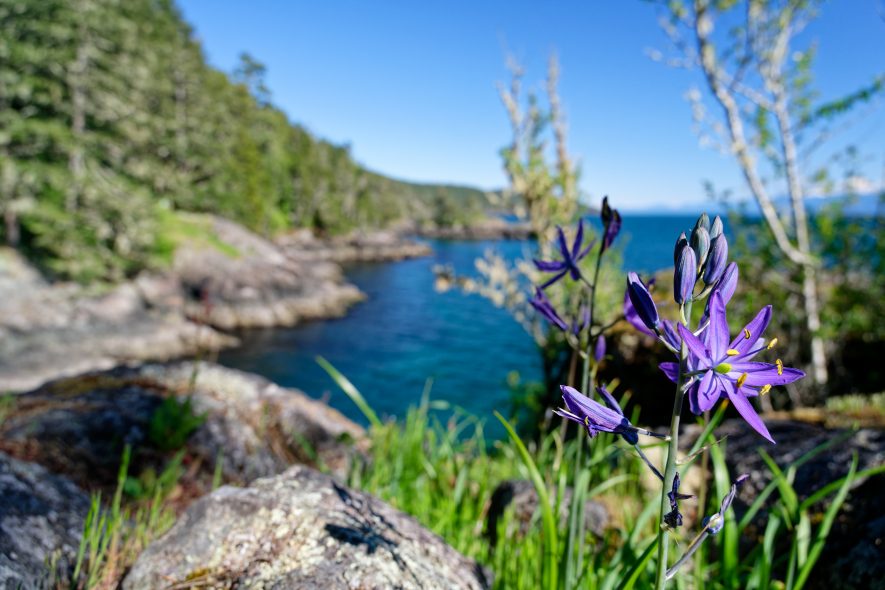
Uplifting Reciprocal Research Scholarship Program
This scholarship program supports graduate-level scholars whose work advances climate change adaptation and mitigation in collaboration with First Nations communities in B.C.
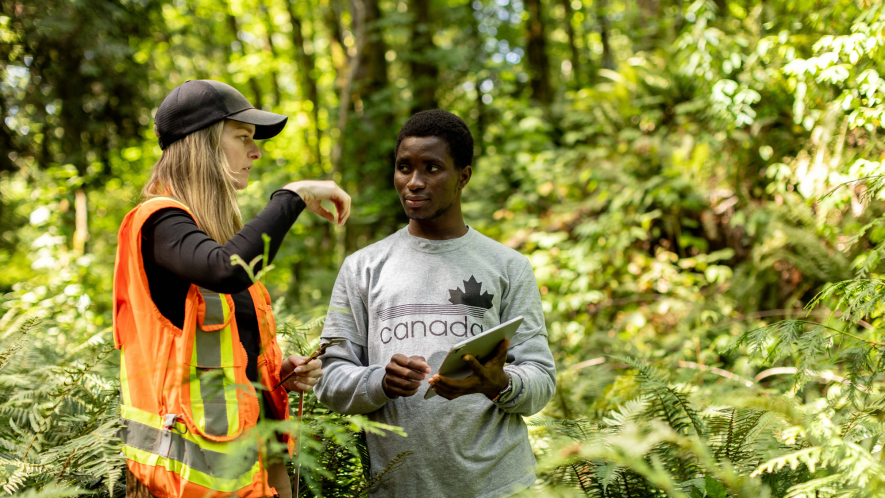
Climate Internship Program
The PICS Climate Internship Program helps organizations in B.C. reach their climate goals while giving students a chance to hone their skills and acquire relevant work experience.
Additional adaptation resources
Discover more PICS stories, resources, and case studies exploring climate adaptation, resilience, and the ways B.C. communities and ecosystems are responding to a changing climate.
Xpey’ (Cedar) Restoration and Protection
Quw’utsun’ Cultural Connections Society is working to protect xpey’ (cedar), a cultural keystone species facing growing pressures from climate change and land development in the Cowichan Valley.
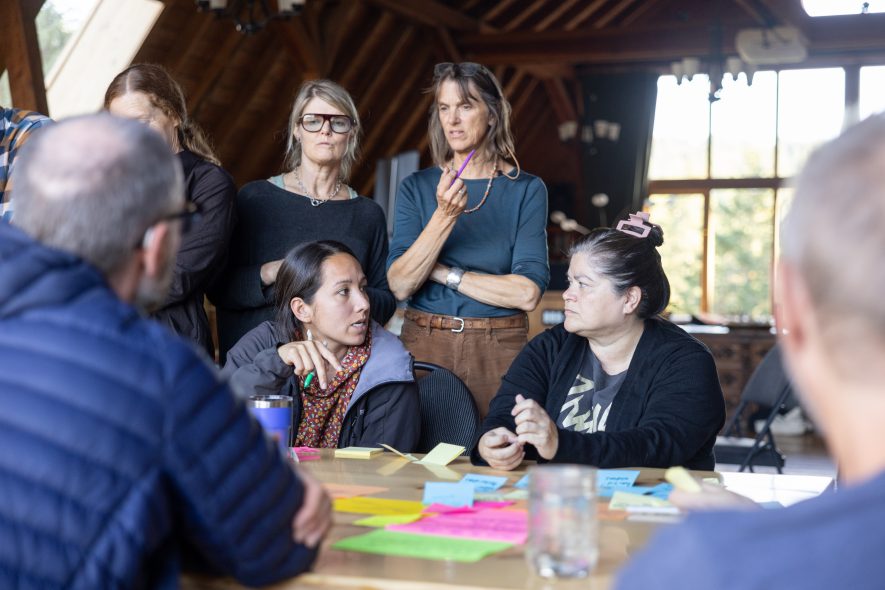
Climate Foresight dialogues seed new thinking on emerging challenges and solutions
Retreats bring together researchers and other experts to contemplate, create, and plan.
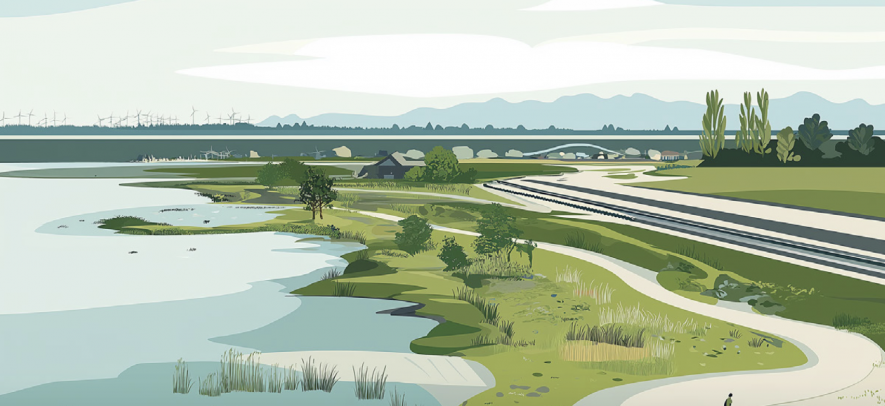
The power of confluence: A guide for integrated flood management for B.C. communities
What does it take to create a flood plan that actually works for the whole community? This Explainer breaks down integrated flood management planning.
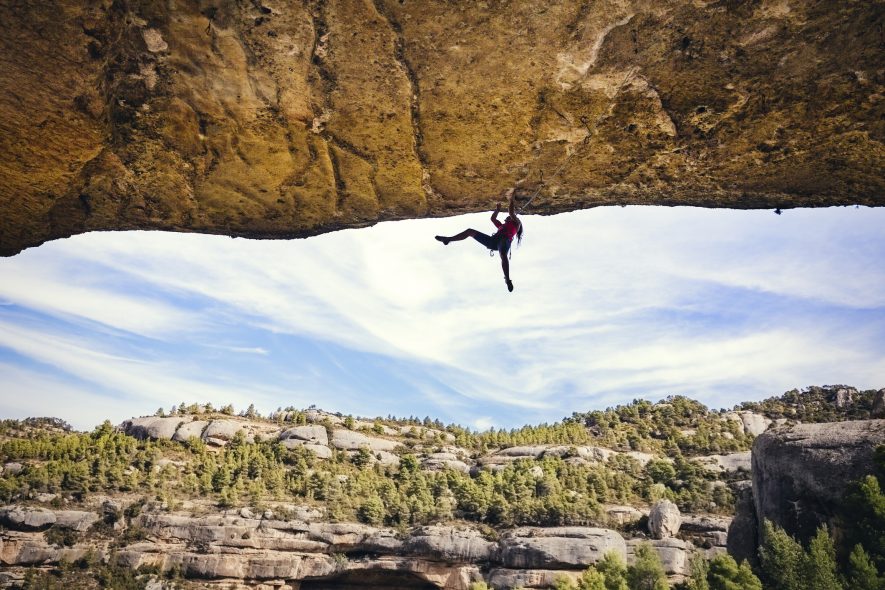
A tool for tough decisions: rethinking climate change risk assessments
As climate impacts increase, how can governments better identify, assess, and prioritize risks?
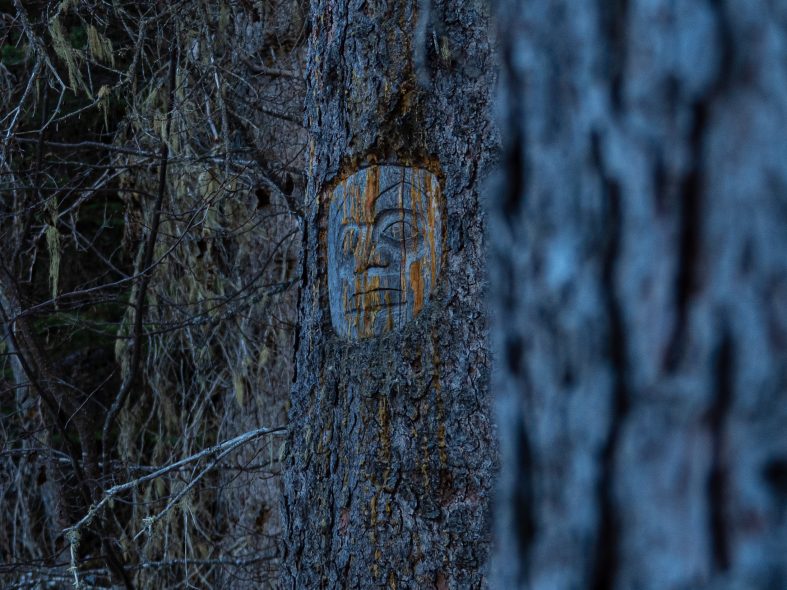
Beyond Integration: Indigenous Knowledge as a driver of paleoenvironmental research
This Knowledge Highlight explores how the T’aaku Kwáan adapted to early Holocene sea level rise and glacial change, drawing on both archaeological evidence and living memory to inform climate adaptation today.
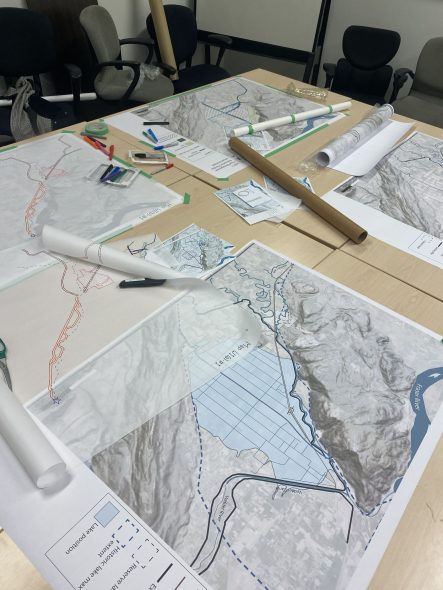
First Nation Engagement with Flood Mapping: Advocating for Semá:th First Nation flood rights through mapping
This Knowledge Highlight examines how flood risk mapping can be conducted in partnership with First Nations communities, drawing on work with Semá:th First Nation to develop practical approaches for collaborative flood mapping and community-informed decision-making.
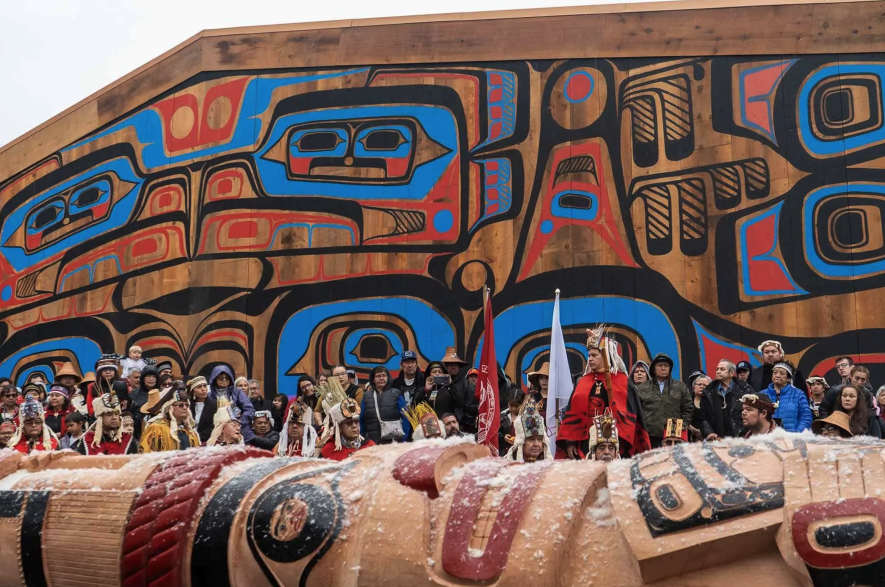
Indigenous-Led Climate Resilience: Learning from the conservation economy in the Great Bear Rainforest
This Knowledge Highlight explores how investments in the conservation economy are supporting governance, cultural well-being, and stewardship outcomes in coastal First Nations, with a focus on the Great Bear Rainforest.
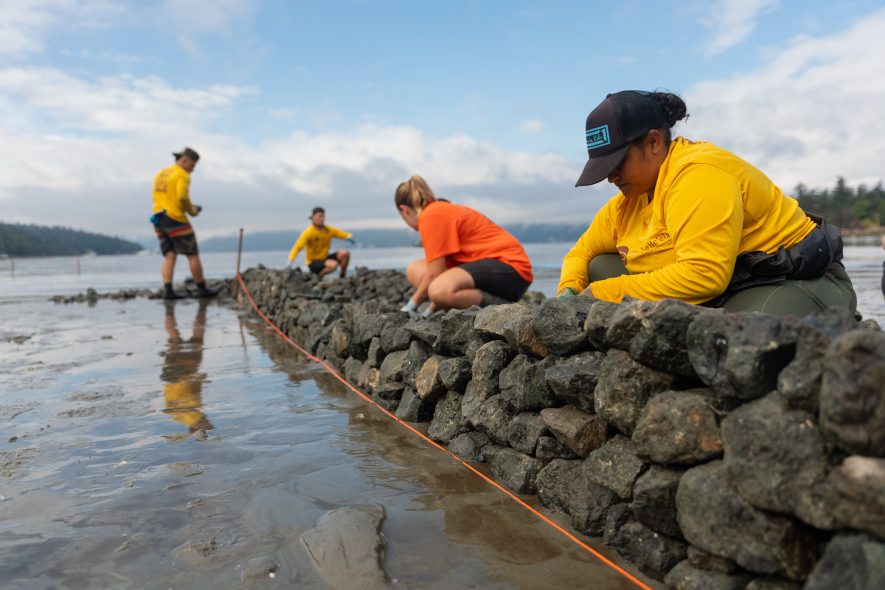
Intertidal Restoration as Anti-Colonial Climate Resilience
This Knowledge Highlight explores Indigenous-led coastal resilience work by Pauquachin First Nation, specifically how stewardship practices such as shoreline restoration and sea garden construction support food sovereignty, ecosystem health, and climate adaptation.
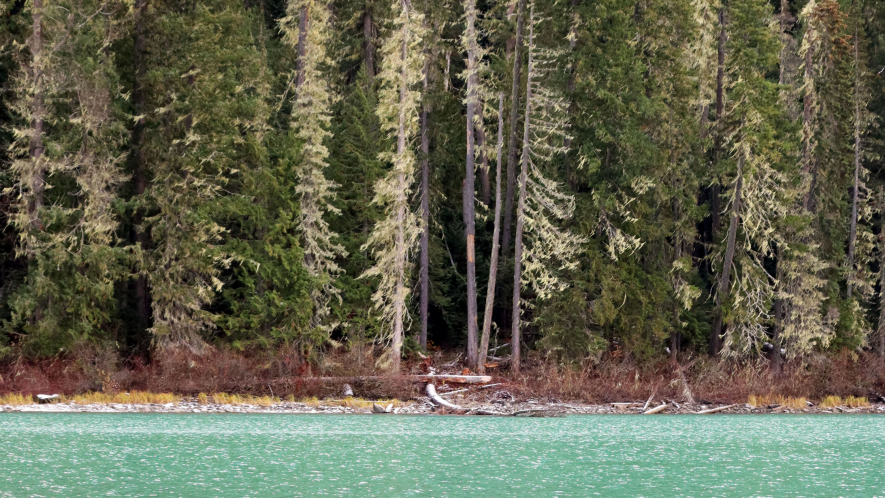
Caring for the ƛ̓əq̓ƛ̓aqtn Indigenous Protected and Conserved Area
This Knowledge Highlight explores research supporting Kanaka Bar Band in healing relationships with tmíxʷ and advancing Nłeʔkepmx Title and Rights through the development of an Indigenous Protected and Conserved Area.
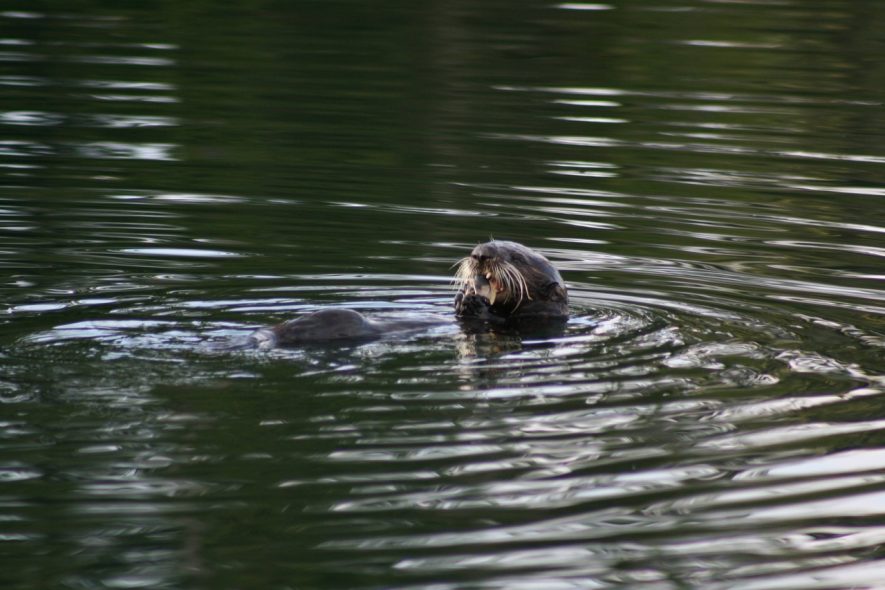
(Re)storying Relationships Between Humans, k̓ʷak̓aƛ (Sea Otters) & Shellfish to Support Nuu-chah-nulth Food Sovereignty
This Knowledge Highlight explores how archaeological and ecological data, alongside the voices of Hereditary leaders and Knowledge Holders, illuminate First Nations’ visions of food sovereignty in the context of sea otter recovery and climate change.
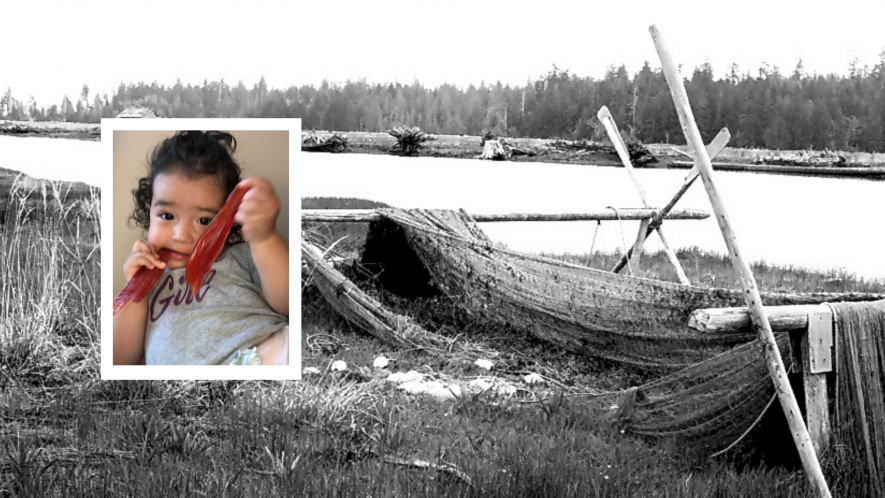
Born With a Fish in Your Mouth
This Knowledge Highlight explores Haida relationships with salmon, rivers, ceremony, and environmental stewardship, examining how traditional knowledge, cultural practices, and museum Belongings can help restore connections disrupted by colonialism and support climate resilience.
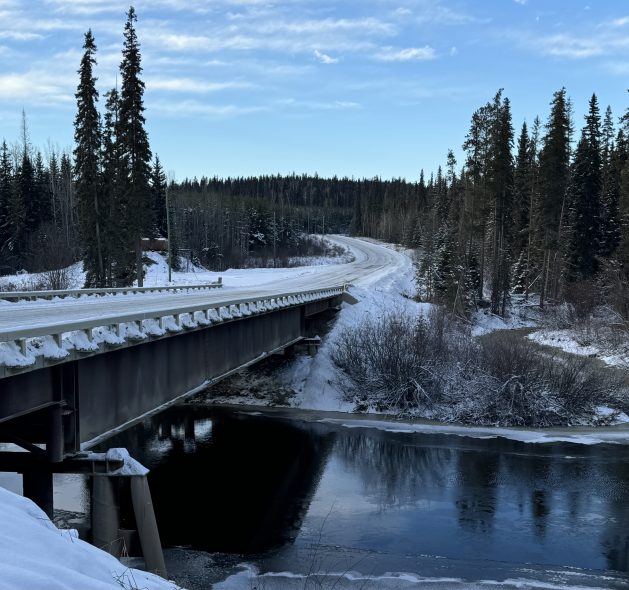
Bridging Science and Land: Climate vulnerability and resilience assessment for northern forest service roads
This Knowledge Highlight explores how climate change is affecting forest service roads in Takla Nation territory, examining impacts on access, infrastructure, and watershed health through research conducted in partnership with Takla Nation.
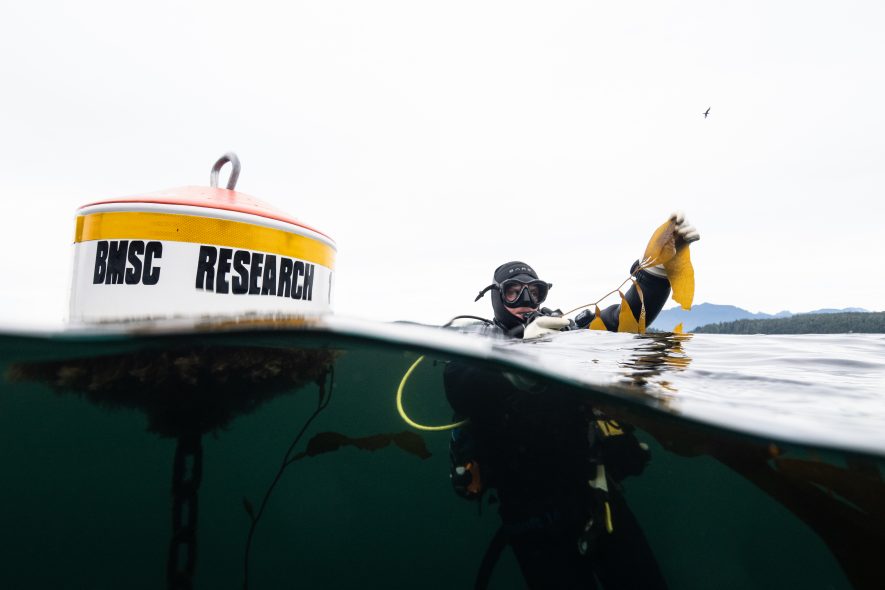
Supporting Indigenous Sovereignty Through Kelp Forest Restoration and Monitoring
This Knowledge Highlight explores efforts to restore kelp forests in the northern Salish Sea, examining how climate-smart restoration of bull kelp can support marine ecosystems while strengthening collaboration with First Nations partners.
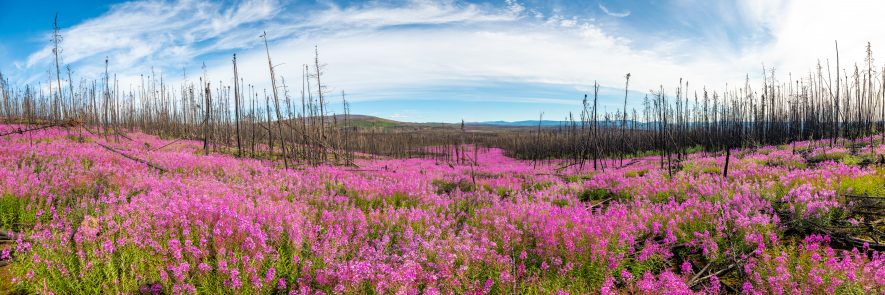
Bridging knowledges for climate action
New PICS report captures insights from a series of workshops held in collaboration with the First Nation Leadership Council.
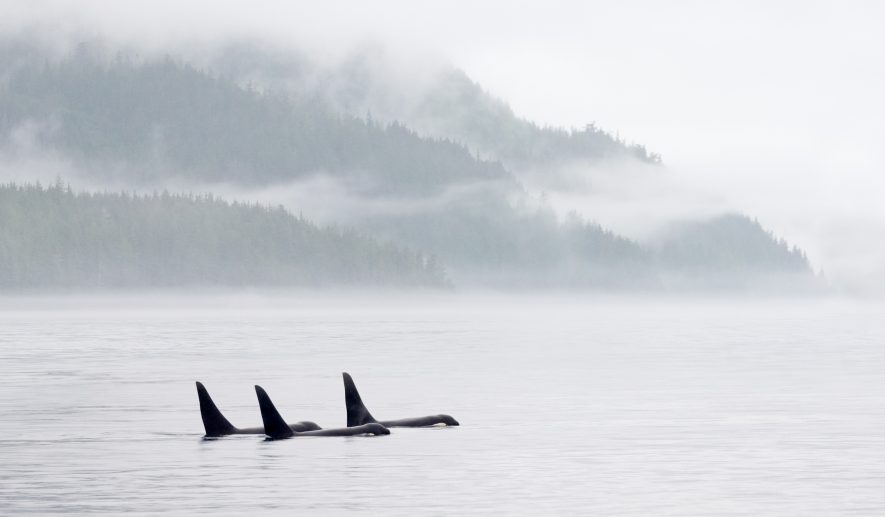
Values root effective community climate solutions
A new set of reports offer a practical framework, for both communities and policy-makers, to help embed local priorities, values, and experiences into climate adaptation planning.
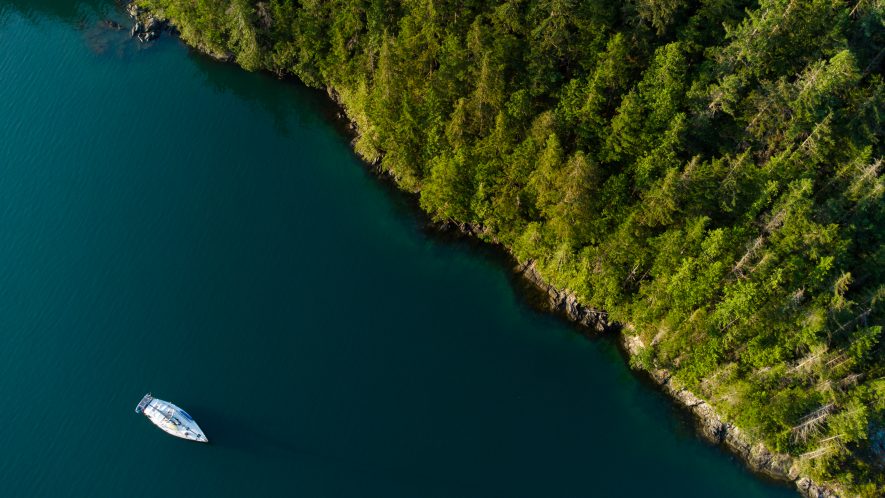
Breaking Barriers: Advancing nature-based solutions on the South Coast of British Columbia
This report shares insights from a March 2025 workshop, outlining next steps to advance nature-based solutions across B.C.’s South Coast.

Best Practices in Western Canadian Flood Mapping: Findings of the WFMC expert workshop
This report summarizes the findings from the 2025 Western Flood Mapping Conference (WFMC).
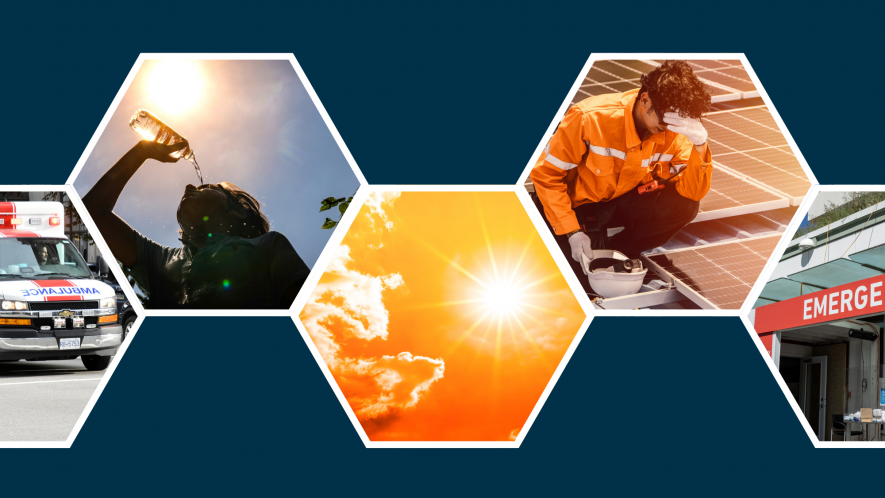
Turning down the heat: How to better protect your community in extremely hot weather
Up-to-date advice for B.C. decision makers to protect communities from extreme heat, with key risks, impacts, and preparedness actions.
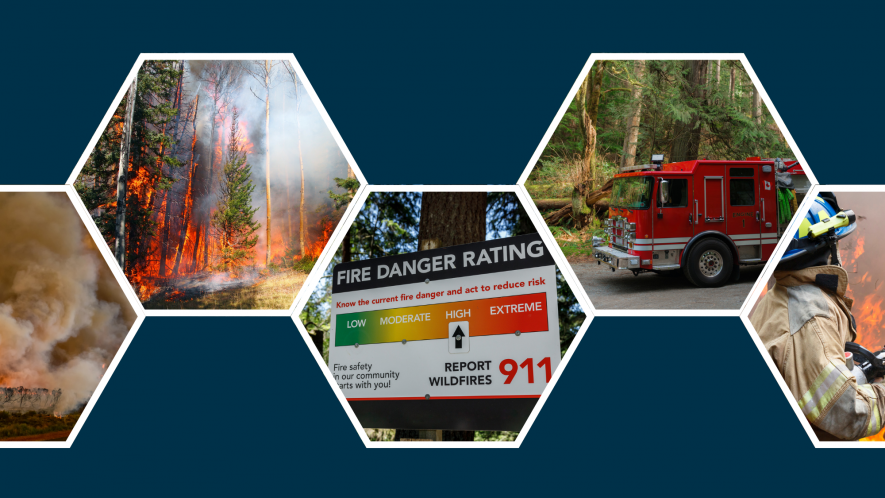
From ember to inferno: Wildfires in B.C. explained
How can communities, Nations, governments and others work together to reduce wildfire risk and build resilient communities?
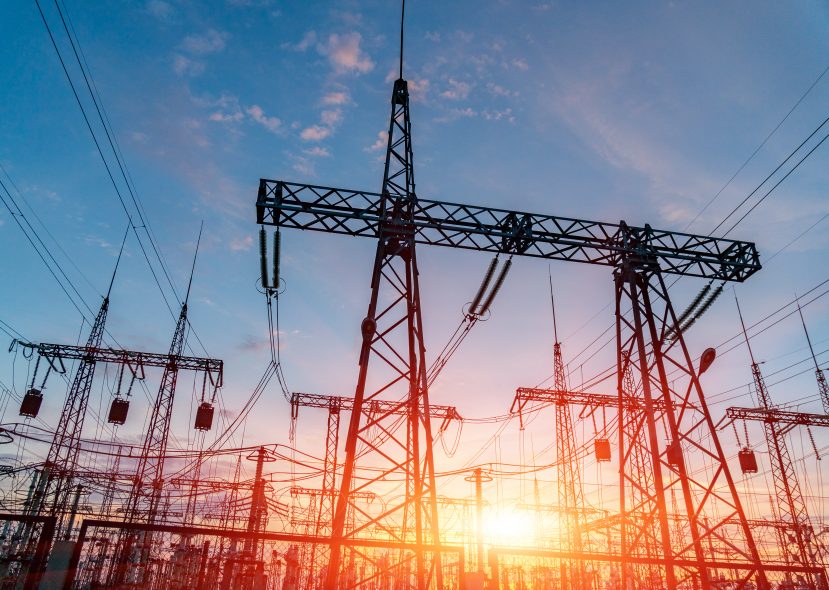
How can we build climate resilient transmission systems?
There is a greater need for resilience as the climate changes; inter-regional transmission can play an important role in this shift.

Flood Governance Mapping Report
This report, published by the PICS-funded Living With Water project, is for practitioners who are interested in using participatory timeline mapping for multiple hazards.